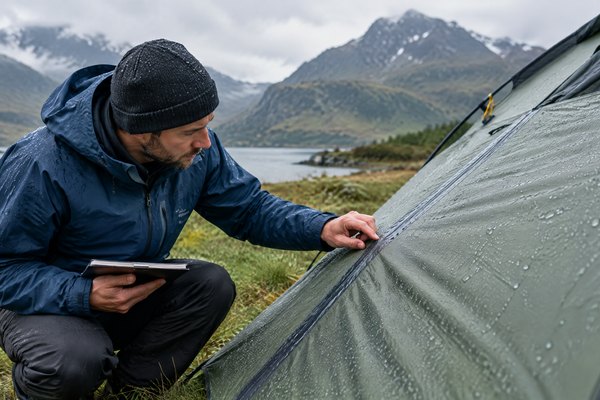
A useful sourcing decision starts with a written requirement that can be challenged, sampled, inspected, and approved.
Direct answer (quick): Choose a camping shelter manufacturer by matching their production strengths to your product concept (canvas, inflatable, glamping shell, or lightweight trekking tent), then validate through a focused specification, prototype and sample review, defined factory testing and inspection steps, and controlled packaging/shipping instructions that reflect your destination market requirements.
Why this guide: You are in the discovery phase. This guide helps procurement managers, product managers, and brand owners narrow suppliers, define the specification and sampling workflow, and set expectations for factory testing, packaging and change control. Requirements depend on the exact product and destination market—confirm applicable regulations and buyer workflows early.
How To Start When Evaluating A Camping Shelter Manufacturer
Start with three converging inputs: product concept, target market requirements, and logistics constraints. The right camping shelter manufacturer listens to all three and maps their core production capabilities to your constraints.
Define Product Scope
- Is the product a canvas bell tent, an inflatable shelter, a glamping cabin, or a lightweight camping tent? The structural system (poles vs. air-beams vs. rigid panels) drives material sourcing and factory skillsets.
- Identify function: long-stay glamping lodging vs. one-night festival tent vs. family weekend shelter. Performance expectations (UV resistance, hydrostatic head, wind rating) will be different.
Identify Target Market Requirements
- Provide the supplier with your target countries. Different EU/UK/US markets trigger different labelling, textile flammability and material disclosure expectations—confirm the applicable requirement rather than assuming one standard fits all.
Verify Supplier Type Matches Product
- If you need a canvas bell tent, find a canvas bell tent supplier experienced in heavy cotton/poly-cotton treatments and hand-finishing. If your product uses air-beam technology, prioritize an inflatable tent manufacturer or inflatable camping tent supplier familiar with TPU/PVC welding and air-valve sourcing.
Tent Types, Supplier Specialties, And When To Choose Each
A supplier’s core competency strongly affects timeline, cost and the first-sample success rate.
Canvas/Bell Tents
Canvas bell tents rely on heavy textiles, treated seams, and hardware (pegs, guy-lines). A reliable canvas bell tent supplier will have experienced sewing teams, access to canvas finishing processes, and knowledge of breathable coatings.
Inflatable Shelters
Inflatable tents use air-beams or bladders. An inflatable camping tent supplier or inflatable tent manufacturer must manage film extrusion or TPU laminate sourcing, radio-frequency (RF) or hot-welding for seams, and reliable valve systems.
Glamping & Luxury Structures
Glamping tents combine structural engineering and finishes (hard floors, windows, insulation). A glamping tent manufacturer and glamping tent supplier should demonstrate experience with composite panels, heavy glazing, and integrated utilities routing.
Lightweight & Backpacking Tents
Lightweight camping tent manufacturers focus on high-tenacity fabrics, taped seams, low-bulk poles and weight-optimized sewing patterns.
Buyer-Decision Comparison Table
| Tent Type | Best For | Portability | Manufacturing Complexity | Packaging Volume | Recommended Supplier Type |
|---|---|---|---|---|---|
| Canvas Bell Tent | Long-stay camps, glamping fields | Low | Medium (heavy textiles, finishing) | High (bulky) | canvas bell tent supplier |
| Inflatable Tent | Fast pitch, accessibility | Medium | High (air systems, welding) | Medium | inflatable tent manufacturer / inflatable camping tent supplier |
| Glamping Tent (luxury) | Premium lodging, event sites | Low | High (multi-material assemblies) | High | glamping tent manufacturer / glamping tent supplier |
| Lightweight Camping Tent | Backpacking & retail | High | Medium (light fabrics, precision sewing) | Low | camping tent manufacturer / camping tent supplier |
Use this table to narrow to 2–3 suppliers to ask for detailed quotes and sample agreements.
Product Specification: What To Include In Your Tech Pack
A complete technical pack reduces iteration and sample waste. At minimum include:
- Product overview and use-case statement.
- Bill of materials (BOM): fabric specification (weight in g/m2, weave, coating type and level), threads, zippers, tapes, poles or air-beams, hardware.
- Critical dimensions and tolerances.
- Required performance metrics (hydrostatic head target, UV rating, seam strength, load points for poles or guy-lines) with test method references if you require testing.
- Label artwork, care instructions and packing artwork.
- Intended retail packaging and any inserts.
H3: Materials & Performance Specs
Be explicit: do not say “waterproof fabric” without specifying target hydrostatic head and which test method to use. If you rely on third-party testing, state that and whether the supplier should pre-test or ship to the lab.
H3: Structural & Assembly Details
For pole tents, include pole diameters, connector types and pegging patterns. For inflatable tents, define inflated pressure ranges, valve type, bladder layering and serviceable repair points.
H3: Quality and Acceptable Quality Limits (AQL)
State the AQL for critical, major and minor defects and indicate whether you will use in-line inspections or a third-party final inspection.
Sampling, Prototyping, And Sample Review Workflow
Samples are the key risk control in the discovery stage. Treat sampling as a controlled milestone rather than a marketing exercise.
H3: Sample Types
- Concept samples: low-fidelity mockups to confirm sizing and look.
- Functional prototypes: full material build with structural elements for field evaluation.
- Pre-production samples (PPS): identical to mass-production process and materials; these should be produced on the intended production line.
H3: Sample Review Checklist
During sample review evaluate: fit and sizing, seam quality, hardware function (zippers, valves), inflation behaviour (if applicable), water resistance, and packability. Document every deviation and require photographic evidence and an agreed corrective action list.
H3: Field Testing
Field-test samples under expected conditions. For glamping or canvas products, test for condensation behaviour, venting and long-duration performance. For inflatable systems, run repeated inflation/deflation cycles and verify repair procedures.
Mid-article brief request (CTA)
If you want an initial supplier reply from CampLume (OEM/ODM camping gear manufacturer), email sourcing@camplume.com with a one-page brief including:
- Product type and one-line use case (e.g., 5m canvas bell tent for glamping sites).
- Target market(s) and any regulatory concerns.
- Expected annual volumes or trial quantity and preferred timeline.
- Key materials or features that cannot change.
- Desired next step (quote, prototype estimate, or capability visit).
You will receive a checklist of further technical questions to convert the brief into a costing and sample plan.
Mid-Article CTA: Send Your Requirements
If you are evaluating camping shelter manufacturer, email info@camplume.com with your product category, selling market, estimated quantity, current specification and packaging brief. Ask for a documented reply that separates assumptions and deviations from the quotation.
Factory Testing, In-Process Inspection, And Final Acceptance
Plan factory testing and inspections into your schedule. Key stages:
- Incoming Material Inspection: fabric weight, coating appearance, hardware spec.
- In-line Quality Checks: seam integrity, stitch counts, and functional checks at defined process points.
- Factory Tests: hydrostatic head tests on fabric, inflation hold tests, and valve leak-down intervals if applicable. Ask the supplier to document methods and results—confirm the applicable requirement for your market.
- Final Random Sampling & Pre-Shipment Inspection (PSI): check finished dimensions, packaging, instruction labels and any included spare parts.
Document results and attach them to the shipment paperwork. If you use a third-party inspection firm, align on sampling size and AQL up front.
Packaging, Shipping Preparation, And Logistics
Packaging choices affect landed cost and customer experience:
- Individual retail packaging vs. bulk B2B cubing—specify your packing configuration, inner protection, and labeling.
- Choose packaging materials for the intended transportation: avoid thin poly that lets sharp corners damage fabrics during sea transit.
- For bulky items (canvas tents, glamping components), include clear instructions for palletization and weight distribution to prevent deformation in shipping.
- Define packing list and carton marking format aligned to your importer’s documentation and customs needs.
Include a packing photo checklist in the tech pack to reduce disputes at final inspection.
Documentation, Compliance, And Change Control
Documentation drives traceability and simplifies regulatory compliance.
- Documents to keep: BOM with supplier names, fabric test reports (if performed), final inspection reports, packing lists, and sample sign-offs.
- Change control: any engineering or material change after sample approval should follow a formal ECN (engineering change notice) process. The supplier should provide a proposed change, impact on cost and lead time, and a sample showing the change before mass production.
- If you require third-party test reports for a specific market, state whether you or the supplier will commission the lab and who pays.
Pricing Drivers And Negotiation Pointers
Cost drivers to expect: fabric and coating complexity, hardware sophistication, number of sewing operations, need for special welding or lamination, and packing volume.
Negotiate with clarity: ask for a unit cost breakdown (materials, labour, overhead, and tooling) and get clarity on what is included (cartons, labels, inner bags). Avoid surprise charges by defining responsibilities for freight, duties and any in-market registration costs.
Practical Red Flags When Shortlisting Suppliers
- Vague answers about material sources or unwillingness to provide sample lead times.
- No willingness to produce a pre-production sample on the planned production line.
- No documented QC checkpoints or insufficient photographic documentation during production.
- Avoid suppliers who refuse a formal change control or who cannot show past process flows for similar products.
FAQs
Q: How long does it take to move from brief to pre-production sample?
A: Timelines vary by product complexity. A simple retail camping tent may progress faster than an inflatable or glamping system that requires tooling and valve verification. Specify your timeline in the brief and ask for a sample schedule tied to milestones.
Q: Should I work with a camping tent supplier or a specialist glamping tent manufacturer?
A: Choose by product fit. For premium, fixed-site structures select a glamping tent manufacturer. For volume retail products, a camping tent supplier with retail production experience is typically better. If you plan inflatable technology, prioritize an inflatable tent manufacturer or inflatable camping tent supplier.
Q: What tests should I insist the supplier run before shipment?
A: Insist on material acceptance tests (fabric weight and coating), seam strength checks, and functional tests appropriate to the product—e.g., air-hold tests for inflatable systems. If you require formal certification for a market, confirm who will commission the test lab.
Q: Can you source alternative fabrics if a material becomes unavailable?
A: This is a process decision. Include an approved alternatives list in the BOM. Any substitution must go through your change control process with sample sign-off.
Q: How do I limit risk from packaging or shipping damage?
A: Define packing methods and include photographic evidence at final pack. For bulky tent products, require palletization plans and protective inserts. Consider insurance and inspection at loading.
Q: What should a simple one-page supplier brief contain?
A: Product name and one-line use case, target market, expected trial or annual quantity, timeline, key must-have features, and preferred next step (quote or prototype). Use this as your mid-article CTA format.
Conclusion And Next Steps
Selecting a camping shelter manufacturer is about matching technical competence to your product concept and then controlling risk through a disciplined specification, sampling and inspection workflow. For canvas bell tents, choose a canvas bell tent supplier with heavy-textile experience. For inflatable concepts work only with an inflatable tent manufacturer or inflatable camping tent supplier who can demonstrate heat-welding and valve reliability. For premium, site-based lodging engage a glamping tent manufacturer or glamping tent supplier that understands integrated assemblies.
If you want an initial feasibility response from CampLume (an OEM/ODM camping gear manufacturer), email sourcing@camplume.com with a one-page brief (product type, target market, quantities, timeline and immutable features). We will respond with a checklist, a proposed sampling plan and a capability summary for your next decision milestone.
(End of guide.)
FAQ
What should I send a tent supplier for an accurate quotation?
Provide the intended use, product type, target markets, estimated quantity, material and feature preferences, branding scope, packaging brief, and any existing drawings or samples. Ask the supplier to list assumptions and deviations separately.
Can a test report from a similar tent be used for a new model?
Only where the scope, materials, construction and intended claim are demonstrably applicable. Treat a previous report as background information and confirm the evidence needed for the approved configuration.
When should I approve custom tent packaging?
Approve the product configuration, labeling content and retail artwork before the production release. Request pack-out photographs or a physical packaging sample when the packaging is a critical retail or shipping control.
What should be checked before a tent shipment is released?
Confirm the approved product version, workmanship and accessories, consumer pack, carton markings, packing list, inspection outcome and shipment-document requirements against one current release checklist.
Final CTA: Email info@camplume.com with your product category, target market, estimated quantity, current specification and packaging stage. Request a documented response that identifies assumptions, open evidence and the next approval gate.
Related CampLume resources
-
Read: Inflatable Tents vs Pole Tents: Which Format Fits Your Camping Product Range? for a connected sourcing decision.
-
Explore CampLume tents options to compare a relevant product platform.
-
See the CampLume buyer FAQ for concise guidance on samples, MOQ, quality control, compliance and shipment preparation.
-
Discuss an OEM or ODM brief with CampLume when product configuration, custom branding or packaging needs to be scoped.
Project discussion
Need to apply this guide to a product programme?
Send your product category, target market, estimated quantity, current specification and packaging stage. CampLume will continue the discussion by email.
Email info@camplume.comSources and further reading