
Power & Lighting
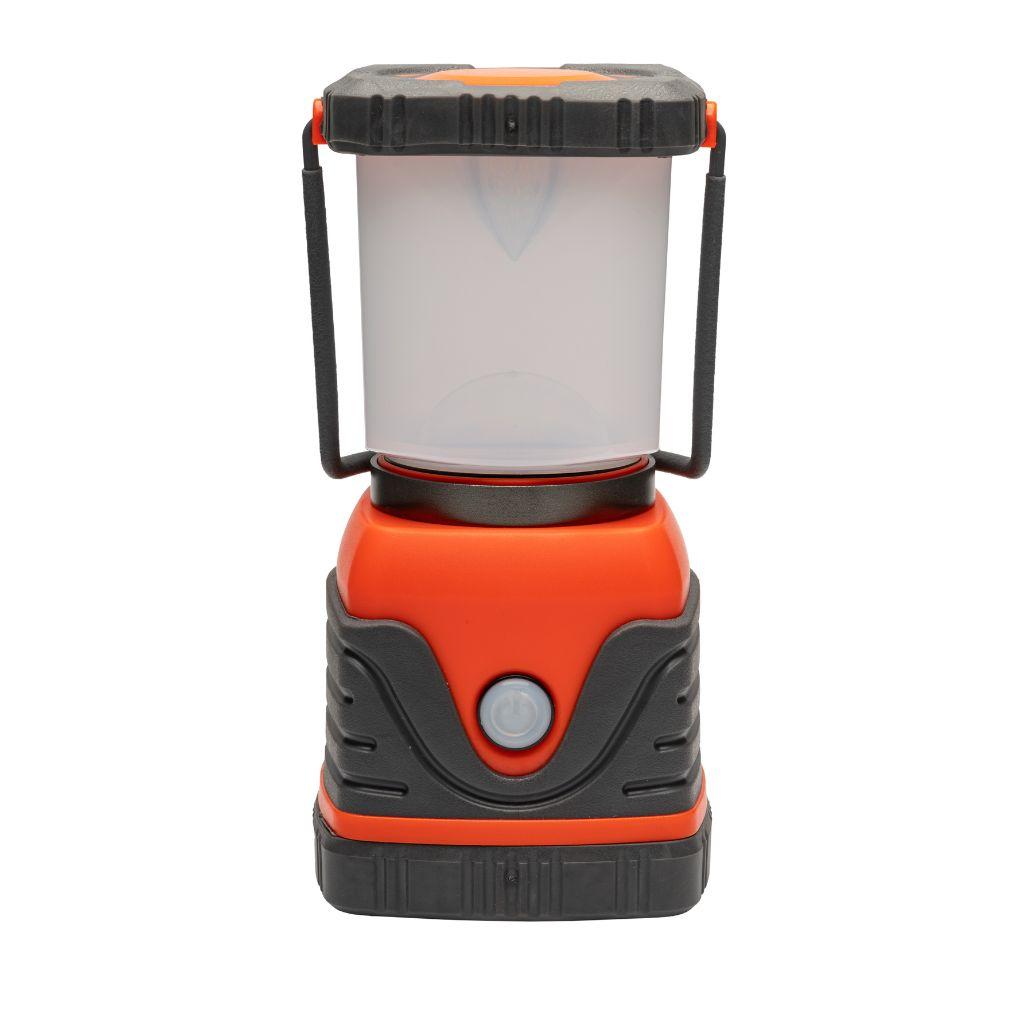
LumiVault 10000mAh Solar & USB-C Powerbank Camping LanternAsk for current configurations, sample availability and quotation scope.
View reference productLantern sourcing for outdoor brands
Develop your branded USB-C and solar lantern range with CampLume, a camping gear factory in Shenzhen, China, starting with the LumiVault platform. Share your lighting brief for a configuration-specific proposal covering performance targets, branding, battery documentation and shipment requirements for the US, UK, Germany or France.
Reference model. Final specifications confirmed with your quotation.
For outdoor brands, distributors & professional buyers
Built around your buying decision
Specify table and tent lighting around useful light spread, dimming and carrying preferences. Give buyers mode-specific information rather than pairing peak brightness with the longest low-mode runtime.
Build a rechargeable lighting brief around USB-C charging, storage size and placement. If phone charging is part of your range, request confirmation of output capability and its effect on lantern runtime.
Evaluate solar charging as a clearly described option alongside USB-C input. Set realistic recharge expectations and agree on storage, charging and care instructions before approving emergency-use messaging.
Start with a reference model
Power & Lighting
LumiVault 10000mAh Solar & USB-C Powerbank Camping LanternAsk for current configurations, sample availability and quotation scope.
View reference productCompare the details that matter
Request an output-over-time record for each selected mode, with battery configuration, temperature and stopping threshold identified. This gives your team a basis for comparing samples and writing defensible packaging claims.
Define USB-C input, optional power output and solar charging independently. Confirm connector behavior, compatible charging equipment and solar test conditions instead of assuming a USB-C port means fast charging or rapid solar replenishment.
Match the selected cell and pack design to the document review, then align product labels, cartons and transport instructions. Treat a battery change as a review point, not a silent substitution after sample approval.
Plan before placing the order
Send your required modes, charging options and destination market. Ask for configuration choices and an evaluation plan before committing to retail claims.
A clearer brief. A more useful quote.
Confirm color options, dimming controls, measured lumens by mode and the runtime method. Agree on sample conditions and the output threshold used to end each test.
Confirm input ratings, cable inclusion, charger compatibility and any power-bank function. For solar options, request measured recharge data with sunlight conditions and panel orientation recorded.
Confirm cell and pack identity, rated energy and relevant battery safety reports. Request the matching UN 38.3 test summary and confirm any additional documents required by your transport provider.
Discuss mounting, handles, shell finish and charging-port protection. Specify any ingress or drop claims you need, then confirm the test method and evidence for the exact finished configuration.
Confirm logo placement, artwork, barcode format, manual languages and carton packing. Review applicable electrical, chemical and labeling requirements for each market before finalizing marks or declarations.
MOQ, price and delivery dates depend on the approved configuration. Ask for relevant test reports and document scope for your exact product and market; this page is not a certification claim.
From product brief to shipment release
STEP 01
Choose the product, destination market, configuration and packaging scope.
STEP 02
Confirm the sample version, artwork and open evidence before production approval.
STEP 03
Set inspection checks, labeling and shipping documents against the approved brief.
Both are quoted per SKU and customization scope. Battery selection, shell changes, packaging and document work can affect the schedule. Request separate sample and production timing, including approval dependencies.
Submit your logo, color and packaging requirements for feasibility review. Functional or battery changes need configuration review and may change tooling, testing, minimum quantities and cost.
Compare results from the same mode and agreed conditions. Ask for the output curve, not just a headline runtime. Maximum brightness and maximum runtime should not be presented as one operating condition.
No. It addresses battery transport design testing, not every finished-product safety requirement. Confirm its match to the proposed battery and separately review applicable product tests, declarations and market labeling.
Include barcode, manual language, carton and destination requirements in your inquiry. Confirm packing, transport classification and carrier acceptance for the final battery configuration and route before dispatch.
Technical reading for your sourcing team
Your next product programme starts here
Email info@camplume.com with your quantity, performance targets and packaging brief. Request itemized pricing, per-SKU MOQ, timing and the documents to confirm before order approval.
Explore other B2B product programmes