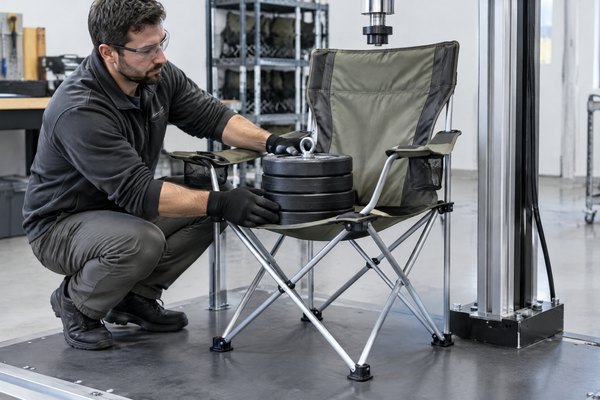
A useful sourcing decision starts with a written requirement that can be challenged, sampled, inspected, and approved.
Direct answer
If you need durable, comfortable, and brandable camping furniture for glamping sites, start with a product specification that defines load, materials, finish, and pack/installation constraints, then qualify a commercial camping furniture supplier by reviewing engineered samples, factory test data, packaging readiness, and shipping marks for international transport. Requirements depend on the exact product and destination market, so use this guide as a procurement workflow you can adapt for each SKU.
1. What buyers really need: priorities for glamping furniture
Glamping guests expect home-like comfort, effortless setup, and consistent aesthetics across a site. For buyers this translates to a short list of priorities:
- Durability and user comfort (load ratings, seat depth, cushion foam density)
- Clean finishes and weather resistance for mixed outdoor/indoor use
- Compact or flat-pack packaging for transport and storage
- Clear brandability opportunities for custom fabrics, laser logos, or plaque attachments
- Serviceability: replaceable cushions, spare parts, and a documented change-control process
These priorities should be captured in your product specification before you start requesting quotes.
2. Building the product specification (what to lock down first)
A complete spec reduces costly iterations. For camping furniture for glamping sites include:
Materials and finishes
- Wood species or aluminum grade, powder-coating spec, fabric composition and outdoor treatment
- UV and mildew resistance levels for textiles
Structural requirements
- Live load and safety factors for seating and tables
- Hinges, joints, and locking mechanisms for folding pieces
Dimensions and pack profile
- As-used dimensions and tolerances
- Packed dimensions and weight per carton for freight planning
Branding and accessories
- Location and method for custom logo, plaque, or woven label
- Options for custom branded camp furniture like embossed leather armrests or printed cushions
Documentation and compliance
- Required test reports (e.g., load-testing, flammability if sold into retail interiors)
- Regulatory inputs from destination markets (see Germany note below)
Finalize a one-page spec sheet per SKU and use it as the checklist during sample review.
3. Sample review and validation workflow
A staged sample program avoids surprises at scale.
Proto sample: validate geometry and fit
- Verify dimensions, joinery, and opening/closing actions
- Check branded placement and aesthetics
Pre-production sample: validate function and finish
- Confirm final materials, cushion densities, coating batches, and small runs of fabric prints
- Agree tolerances and record visible defects criteria
Production sample: confirm packaging and shipping marks
- Pack the same way the factory will pack production cartons
- Verify camping furniture shipping marks and carton labeling meet your logistics and retailer requirements
During each stage record test outcomes against the spec sheet and sign off changes in a controlled change log. This ensures traceability if defects appear later.
4. Factory qualification: beyond price
A commercial camping furniture supplier should be evaluated on operational capabilities as well as product fit.
Key qualification checks:
- Manufacturing footprint and processes: woodworking, metal bending, upholstery lines, CNC, powder coat
- Quality system: incoming inspection, in-process checks, final QC and inspection reports
- Sample turnaround time and engineering support for tooling or custom parts
- Packaging development capacity for retail ready camping furniture packaging and kitting
- Export experience and familiarity with international shipping marks and documentation
Ask for process photos and a factory visit (or independent inspection) focused on the lines making your product. Confirm how the factory manages change control for material substitutions and tooling updates.
5. Packaging, labeling, and market rules
Packaging is a functional and marketing requirement for glamping furniture: it protects product and communicates brand. Retailers increasingly require retail-ready formats; D2C buyers want minimal returns from damage.
Retail-ready and transport packaging
- retail ready camping furniture packaging means cartons are shelf-ready, with UPC placement, easy-open features and consistent graphic placement
- test packed cartons for drop, compression, and vibration to inform internal dunnage needs
Shipping marks and logistics preparation
- Confirm camping furniture shipping marks that include SKU, carton count, gross/net weight, and handling marks; these are essential for consolidation and customs processing
- Coordinate with your freight forwarder early to finalize pallet patterns and true cubic measurements
Market-specific registration and paperwork
- For sales into Germany confirm the applicable requirement for Germany packaging registration camping furniture; some packaging materials or end-of-life rules require registration or producer responsibilities. Confirm the applicable requirement with your legal/import team or a local compliance advisor.
Document packaging spec and include a packaging sample in your production sample package. Keep a packaging revision log in change control.
6. Logistics: shipping preparation and documentation
Plan shipping from the factory gate to final site. For glamping site projects you may deliver to a depot, regional warehouse, or direct to site.
Important logistics steps:
- Consolidation and palletization: optimize pallet weight and height for ocean/LTL rules
- Documentation: commercial invoice, packing list (with camping furniture shipping marks), B/L or AWB, and any certificates required by the importer
- Pre-shipment inspection: 3rd-party or buyer inspection to verify quantity, function and packaging
- Lead time buffer: allow time for customs delays and any corrective actions from inspection
Include a documented shipping checklist with the supplier to avoid last-minute packing errors.
7. Design choices: camp kitchen station vs folding table and other comparisons
Buyers often decide between a dedicated camp kitchen station and a folding table. Your choice affects footprint, packing, and guest experience.
Camp kitchen station
- Pros: integrated storage, work surfaces, and dedicated fuel or sink options; better guest experience for onsite food prep
- Cons: heavier, larger pack profile, usually needs assembly
Folding table
- Pros: lightweight, compact, lower cost, simple to store and transport
- Cons: limited storage and work surface; lower perceived quality for premium glamping
When to specify which
- Use a camp kitchen station if you need integrated storage, a branded aesthetic, or guest-facing functionality for longer stays
- Use a folding table for short-stay pods or when logistics require maximum compactness
| Decision Point | Camp Kitchen Station | Folding Table |
|---|---|---|
| Guest experience | Higher — integrated, permanent feel | Moderate — functional but simple |
| Pack size per unit | Large | Small |
| Custom branding | Easier to integrate with panels/finishes | Limited to surface decals or fabric covers |
| Typical use | Longer-stay glamping units, central kitchen modules | Pop-up sites, temporary setups |
This table is a quick buyer-decision aid; adapt dimensions and materials to your spec.
8. Customization: branding, spare parts, and change control
If you reorder or plan seasonal refreshes, build customization and spare parts into the supply plan.
- custom branded camp furniture requires clear artwork files, brand color tolerances, and approved mock-ups for fabric prints and logo placement
- Set minimum order quantities for custom finishes and document lead times for tool-up or print runs
- Define spare-parts kits per unit (replacement cushions, hinge sets, slat packs) and ask the supplier to include a spare-parts packing list with shipments
Implement a formal change-control process: any material, supplier, or process change must be logged, sample-approved, and accepted by both parties before bulk production.
Mid-article CTA: How to brief CampLume for a quote
To get a focused quote and realistic lead time from CampLume (OEM/ODM camping gear manufacturer), email a one-page brief to info@camplume.com with:
- Product name and quantity estimate
- Attached product spec sheet or bullet list (materials, dimensions, load requirements)
- Branding requests (logos, fabric prints, packaging style)
- Target destination and any compliance notes (e.g., Germany packaging registration camping furniture concerns)
- Desired timeline for samples and production
Attach reference images or sketches if available. Expect a request for clarification and a tooling or sample fee proposal after initial review.
9. Quality checks, factory testing and inspection
Plan QC steps into your commercial terms.
- Factory testing: request load and fatigue test procedures that align to your spec; the supplier should document protocols
- In-line and final inspection: define AQL levels for cosmetic defects and functional failures
- Third-party inspections: schedule at pre-shipment when you need an unbiased certificate of conformity
Record all test and inspection results with batch numbers and link to packaging and shipping documentation so you can trace failures back to a specific production run.
FAQs
Q: What minimum information should I include on a purchase order for glamping furniture? A: Include SKU and detailed spec reference, PO quantity, agreed unit price, packaging unit per carton, palletization, delivery terms (Incoterm), target delivery window, and acceptance criteria for samples and inspection.
Q: Do I need special labeling for selling assembled camp furniture in European markets? A: Label and documentation requirements vary by country and by whether furniture is sold as indoor or outdoor goods. For Germany packaging registration camping furniture may trigger producer obligations. Confirm the applicable requirement with your importer or a local compliance advisor.
Q: How do I decide between stainless-steel fittings and plated steel for outdoor seating? A: Choose stainless steel for long-term corrosion resistance in coastal or high-humidity sites. Plated steel can be acceptable with proper coatings but requires documented maintenance intervals and warranty terms.
Q: Can the supplier handle retail-ready cartons and UPC/barcoding? A: Many OEM/ODM suppliers develop retail ready camping furniture packaging. Confirm they can print UPCs or provide label service and that the packaging meets your retailer's functional and graphic specs.
Q: What should be in a spare-parts kit for site maintenance teams? A: Include common wear items: hinge sets, fasteners, replacement cushion covers, and a small tool list. Pack spare parts in labeled cartons and hold them centrally for rapid dispatch.
Q: What is the best way to document product changes over time? A: Use a controlled change log that records requestor, reason, impacted parts, sample approval, effective date, and any price or lead time changes. Both buyer and supplier should sign off on major items.
Conclusion and final CTA
Sourcing camping furniture for glamping sites requires a clear specification, staged sample approvals, supplier qualification that goes beyond pricing, and careful attention to packaging, shipping marks, and market-specific rules such as Germany packaging registration camping furniture may require. Start with a concise spec and a sample plan, and insist on documented change control and spare-part planning.
Ready to move to quotes and samples? Email a one-page brief to info@camplume.com with your spec, target quantity, branding needs (custom branded camp furniture), and preferred sample timeline. CampLume is an OEM/ODM camping gear manufacturer and can provide a tailored response after reviewing your brief.
FAQ
What should a camping furniture sample review include?
Review the approved frame, fabric or tabletop, folding action, fasteners, measurements, stability, carry bag or accessories, labels and packaging. Record any accepted deviations in writing before bulk production.
How can a buyer compare two furniture quotations fairly?
Map both quotations to the same product configuration, material specifications, packaging, inspection plan, delivery term and quantity tier. A lower unit price may not cover the same scope.
When should a load or stability check be defined?
Define it during product specification and sample planning, based on the intended user, product type and target-market requirements. Agree the acceptance method and report format before production release.
What is useful evidence at pre-shipment stage?
A product-specific inspection record, measurement and function checks, approved packaging evidence, carton data, label checks, packing photos and a documented release or hold decision are practical controls.
Related CampLume resources
-
Read: What Should Buyers Check Before Ordering Wholesale Camping Chairs? for a connected sourcing decision.
-
Explore CampLume furniture options to compare a relevant product platform.
-
See the CampLume buyer FAQ for concise guidance on samples, MOQ, quality control, compliance and shipment preparation.
-
Discuss an OEM or ODM brief with CampLume when product configuration, custom branding or packaging needs to be scoped.
Project discussion
Need to apply this guide to a product programme?
Send your product category, target market, estimated quantity, current specification and packaging stage. CampLume will continue the discussion by email.
Email info@camplume.comSources and further reading