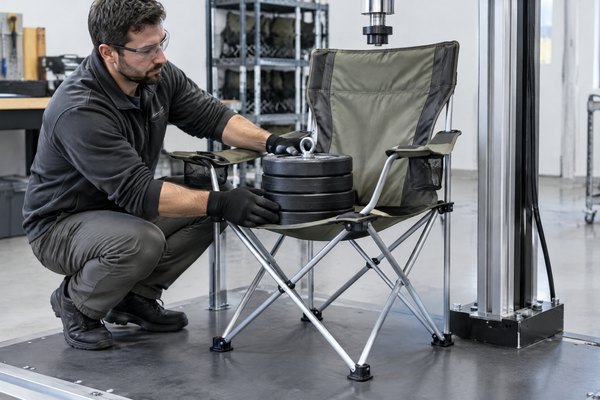
A useful sourcing decision starts with a written requirement that can be challenged, sampled, inspected, and approved.
Direct answer (quick): If you need a heavy duty camping chair for retail, rental fleets, or high‑end private-label camping chairs, define the load rating, frame material and recline options first, then move to a written product specification, physical sample review, and documented factory testing before production. This guide helps product managers and buyers through Discovery and Evaluation with practical checklists for specification, sample review, factory testing/inspection, packaging, shipping preparation, documentation and change control.
Why “Heavy Duty” Matters for Buyers (Discovery)
Buyers use "heavy duty" to promise durability, higher load capacity and longer service life. In Discovery you should translate marketing terms into measurable attributes that affect manufacturing cost and logistics.
Key attributes to define early:
- Rated static load (kg or lbs) and dynamic safety factor.
- Frame material and tube diameter/wall thickness.
- Seat fabric type, denier and reinforcement method.
- Fastening and weld details (bolt vs rivet vs weld).
- Recline mechanism or fixed position; locking method.
H3: Frame Materials and Structural Decisions Common choices are steel (often powder‑coated or e‑coated) and aluminum alloys. Steel typically gives higher raw strength at lower cost but increases weight; aluminum reduces weight at higher material cost. Specify tube OD and wall thickness — "heavy duty" requires larger OD and thicker walls than consumer backpacking chairs.
H3: Seat Materials and Comfort Canvas, 600–1000D polyester, and reinforced mesh appear often. For a heavy duty product, specify double‑stitched stress points, reinforced hems, and abrasion resistance values if your market requires them. Consider high back vs low‑profile options: a high back camping chair improves perceived comfort and may increase fabric area and production cost.
H3: Numeric Targets You Should Specify Don’t leave load and durability to vague claims. A sample spec should include:
- Static load rating (e.g., 150–300 kg / 330–660 lbs depending on definition of heavy duty).
- Cycle test (sit/stand cycles) target.
- UV and abrasion resistance targets for fabric.
Confirm the applicable requirement for your destination market rather than assume a single global standard.
Design Variants to Evaluate (Evaluation)
During Evaluation you should compare feature sets against your target customer and shipping constraints.
H3: High‑Back, Reclining and Compact Options High back camping chair gives back support for evening relaxation; a high back camping chair often sells at a premium. A reclining camping chair adds complexity — folding locks, torque points and testing requirements — but can command higher margins. The best folding camping chair for car camping prioritizes comfort and pack size over backpack weight.
H3: Folding Mechanisms and Ease of Use Decide whether the chair will fold down to a carry bag, stack flat, or stay partially assembled. Folding complexity affects tooling, assembly time and failure modes — document the fold/unfold instruction and verify repeatability in sample review.
H3: Accessories and Site Setup Integration Consider cup holders, side pockets, footrests and whether the chair will be part of a site module with a portable camp kitchen with storage or a camping cooking station. If you plan to sell furniture sets, define points of compatibility (e.g., table height and pouch location) to ensure a seamless user experience.
Private‑Label Considerations and Branding
If you’re sourcing private label camping chairs, align packaging, labeling and artwork early in Discovery.
H3: Artwork, Labels and Trademark Controls Provide approved logo files, placement coordinates, and any hangtag content. For private label camping chairs include care labels, country of origin marking and a packing list format in your product spec.
H3: Minimum Order Quantities, Pricing and Versions Discuss SKUs: color options, high back vs low back, and accessory bundles. MOQ and tiered pricing vary by frame and fabric complexity — specify acceptable tolerances for color and material substitutions up front.
H3: Quality Agreement and Change Control Include a basic quality agreement covering inspection AQL, sample sign‑off, and what constitutes a minor vs major change. Define a change control process: who approves tooling, who signs off engineering changes, and what re‑sampling is required.
Practical Specification Checklist (for an OEM/ODM brief)
Create a one‑page spec that factory engineering can convert into a BOM and a prototype. The checklist should include:
- Target buyer profile and market (retail, rental, online DTC).
- Target retail price and cost ceiling.
- Required rated load and safety margin.
- Frame material, tube OD and finish.
- Seat fabric type, denier and color codes.
- Stitching specs, reinforcements and fastener types.
- Recline mechanism description and locking method.
- Dimensions: open, folded, seat height, seat depth, back height.
- Packaging format and number per carton.
- Required testing: load test, cycle test, corrosion test, fabric abrasion/UV.
- Compliance items: labelling language, CE/EN or other market checks (confirm applicable requirement).
H3: Translating Specs into a BOM Ask the factory for a complete BOM with part numbers, raw material sources and estimated piece‑cost. That allows transparent cost engineering later.
H3: Sample Types to Request Order an initial engineering sample (pre‑production), a fully finished pre‑production sample (PP sample) and a production sample after tooling. Evaluate fit, finish and function at each stage.
Mid-Article CTA: Send Your Requirements
If you are evaluating heavy duty camping chair, email info@camplume.com with your product category, selling market, estimated quantity, current specification and packaging brief. Ask for a documented reply that separates assumptions and deviations from the quotation.
Sample Review, Factory Testing and Inspection Workflow
A disciplined sample and testing workflow prevents expensive rework.
H3: Sample Review Best Practices
- Create a sample review checklist mapped to your spec.
- Test sit/stand cycles, recline lock repeatability and fabric attachment points.
- Record photos and measurement snapshots; keep versioned sign‑off documents.
H3: Factory Testing and Inspection Specify which tests the factory should perform and which external tests you expect the factory to facilitate. Typical in‑factory tests include load and cycle tests, salt spray on hardware, and visual weld inspection. For products that will be certified in market, confirm the applicable requirement rather than relying on a generic claim.
H3: Third‑Party Inspection and Accept/Reject Criteria Define acceptance criteria (AQL) for incoming inspection, pre‑shipment inspection and sample failure handling. Decide whether failed production batches require 100% re‑inspection or rework plans.
Packaging, Shipping Preparation and Documentation
Packaging has product protection, shelf impact and cost implications. For private label camping chairs, packaging is part of the brand experience.
H3: Packaging Decisions That Affect Cost and Damage Rates Decide between single‑bagged chairs in a retail box or bulk packed units. Include inner protection (cardboard inserts, bubble, straps) if frames could rub. For retailers, provide UPC placement and a scannable barcode on the master carton.
H3: Shipping Preparation and Master Carton Planning Provide pack‑count per carton, carton dimensions and declared gross weight. Plan pallet stacking with corners and straps to minimize transport damage and inspect for weight limits during loading.
H3: Required Documentation Include a packing list, commercial invoice, carton marking, and any additional documentation your importer requires. Confirm labeling and documentation for the destination market; regulatory needs vary.
Practical Buyer Decision Table
Use this table in Evaluation to match a product profile to market needs.
| Buyer Profile | Recommended Feature Set | Strengths | Typical Use Case |
|---|---|---|---|
| Premium Retail | high back camping chair, reclining camping chair, powder‑coated steel frame, branded retail box | High comfort, strong margins | Flagship stores, online premium DTC |
| Car Camping / Overlanders | best folding camping chair for car camping: aluminum frame, compact fold, carry bag | Low pack volume, good comfort | Car camping, weekend trips |
| Rental / Heavy Use | heavy duty camping chair: reinforced welds, thicker tube, serviceable parts | Longevity, easy maintenance | Campground rentals, glamping operations |
Mid‑article CTA — Request a short OEM/ODM brief If you want a quick feasibility reply from CampLume, email oem@camplume.com with a one‑page brief including:
- Target product name (e.g., "heavy duty camping chair, high back, reclining")
- Target market and retail price band
- Expected annual volume by SKU
- Required load rating and key tests
- Desired lead time and any packaging/labeling notes We’ll return a concise feasibility note: likely BOM drivers, expected MOQ ranges and recommended next steps.
Product Application, Aftercare and Warranty Considerations
Specify product application scenarios explicitly: rental, retail, car camping or site setup paired with a camping cooking station or portable camp kitchen with storage. Each use-case changes material and testing priorities.
H3: Application Examples
- Rental fleets: prioritize easy-to-service parts and corrosion resistance.
- Car camping: pack compact and prioritize comfort; pairing with a camping cooking station increases cross‑sell value.
- Retail gift buyers: polished packaging and hang tags matter.
H3: Aftercare Instructions and Warnings Provide clear care instructions (cleaning, storage, safe loading). Include warnings for reclining usage or for use on sloping ground. That reduces customer complaints and helps warranty handling.
H3: Warranty and Returns Workflow Document your warranty period and the return handling process (who pays for return shipping, restock fees). For private label camping chairs, align warranty language with your brand legal counsel.
FAQ (4–6 practical questions)
Q: What load rating should I require for a heavy duty camping chair? A: Specify a rated static load and a dynamic safety factor. Many buyers in the heavy‑duty category select 150–300 kg (330–660 lbs) ratings, but pick a figure aligned with your intended market segment and ask the factory for test evidence.
Q: Do I need a third‑party test for recline mechanisms? A: A recline mechanism increases mechanical failure points; require documented in‑factory cycle testing and consider third‑party fatigue testing if the chair is sold into a regulated market or rental business.
Q: How do I handle private label artwork and packaging proofs? A: Submit print‑ready dielines, Pantone codes and a physical mock‑up requirement. Request pre‑production samples with final artwork applied for sign‑off before batch production.
Q: What should be included in pre‑shipment inspection (PSI)? A: PSI should check packing list accuracy, carton count, visual defects, functionality (fold/unfold, recline lock) and basic measurement checks against spec. Define AQL levels in your agreement.
Q: Are there packaging tips when pairing chairs with a portable camp kitchen with storage? A: Package chairs and portable camp kitchen components separately but coordinate pack counts and pallet plans. Use a master carton label that clarifies set contents to ease retail receiving.
Final steps in Evaluation and Change Control
Before full production, require a signed pre‑production sample and an agreed test report. Define what constitutes a minor change (cosmetic color tweak) vs a major change (different frame tube or mechanism) and require re‑sampling for major changes.
H3: Production Ramp and Ongoing Quality Plan an initial production run with targeted inspection frequency and periodic audit points. Keep an open channel for issue escalation and corrective action documentation.
Conclusion (clear CTA) A heavy duty camping chair can be a strong seller if you define load, materials and use case early and follow a structured sample, test and packaging workflow. For a tailored OEM/ODM feasibility note and preliminary BOM drivers, email oem@camplume.com with a short brief (product name, target market, volumes, required load rating and tests). CampLume will respond with recommended next steps for sampling and estimated MOQ ranges to begin Engineering Sample work.
Conclusion: Turn the Brief Into a Controlled Buying Decision
The practical aim of a heavy duty camping chair programme is not to collect broad assurances; it is to connect the approved product configuration, sample, evidence, packaging, inspection and shipment release to the same buyer brief. That record helps the product, sourcing, quality and logistics teams resolve assumptions before they become a production or delivery problem.
Final CTA: Email info@camplume.com with the product category, target market, estimated quantity, current specification and packaging stage. Request a response that identifies assumptions, open evidence and the next approval gate.
Related CampLume resources
-
Read: What Should Buyers Check Before Ordering Wholesale Camping Chairs? for a connected sourcing decision.
-
Explore CampLume furniture options to compare a relevant product platform.
-
See the CampLume buyer FAQ for concise guidance on samples, MOQ, quality control, compliance and shipment preparation.
-
Discuss an OEM or ODM brief with CampLume when product configuration, custom branding or packaging needs to be scoped.
Project discussion
Need to apply this guide to a product programme?
Send your product category, target market, estimated quantity, current specification and packaging stage. CampLume will continue the discussion by email.
Email info@camplume.comSources and further reading