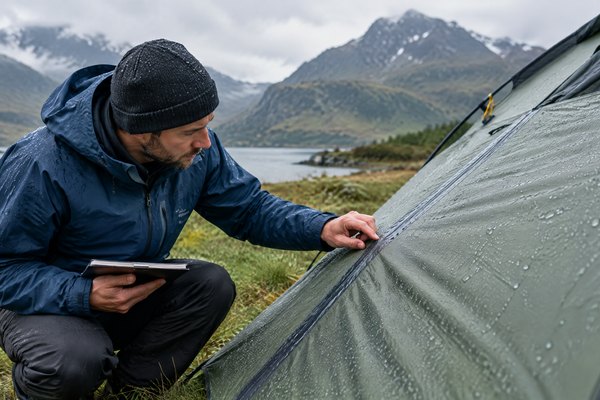
A useful sourcing decision starts with a written requirement that can be challenged, sampled, inspected, and approved.
Direct Answer Introduction
If you need to import tents by ocean freight, a competent camping tent sea freight supplier is a manufacturer (OEM/ODM) that combines product engineering, repeatable production, packaging and sea logistics coordination. For Purchase Preparation you must clarify the product specification, expected volumes, target market(s), packaging requirements and the Incoterm. These define the factory route for samples, testing, packaging and shipping preparation.
Why this guide matters
This guide walks through the buyer workflow (product spec, sample review, factory testing/inspection, packaging, shipping prep, documentation and change control) and the commercial decisions you’ll make before placing an order. It is written for product managers, buyers and importers choosing a camping tent wholesale supplier or ordering custom bell tents wholesale or event shelter wholesale items from an OEM/ODM.
1. Purchase Preparation: What You Need Before You Talk to Suppliers
Clear preparation shortens lead time and reduces risk. Before contacting a camping tent sea freight supplier, prepare:
- Product specification sheet: finished dimensions, materials (canvas / PU / silicone coating), pole type, seams, zippers, vents, accessories (stakes, guy lines, carry bags), color and branding locations.
- Target market and application: recreational camping, glamping, festivals, corporate events or emergency shelters — this affects fabric weight, fire retardancy and documentation.
- Forecasted volumes: monthly, quarterly, 12-month. These determine MOQ options and pricing tiers.
- Required packaging and palletization: custom camping tent packaging, inner polybags, instructions, retail boxes, and pallet footprint limits for sea containers.
- Logistics preference: Incoterm (FOB, EXW, CIF), desired port of discharge, and whether you need supplier-managed freight forwarding or plan to use your forwarder.
Document these items as a one-page brief you can email to suppliers. Clear briefs lead to faster and more accurate quotes.
2. Product Specification & Customization
Your specification drives tooling, fabric sourcing, and testing. For custom bell tents wholesale or branded glamping products, iterate on these elements early.
Materials and structural details
State fabric denier and coating (for example 300D polyester with 3,000 mm PU coating), thread type, seam construction and zippers. If you need breathability or heavier canvas for bell tents, specify gsm and treatment.
Functional requirements and use cases
Describe intended uses (multi-day camping vs festival event) and environmental expectations (rain, UV, wind). This affects pole design, guying points and ventilation.
Decoration, labeling and traceability
Specify print locations, label content (care, composition), and any carton-level traceability codes you require. This supports customs and warranty processes.
3. Samples, Pre-Production Approval and Factory Testing
A rigorous sample and testing phase prevents expensive production rework.
Types of samples
- Proto sample: first build to validate pattern and materials.
- Pre-production (PP) sample: made with production-line processes and final trims.
- Golden sample: the approved reference unit held by you and the factory for production comparison.
Factory testing and inspection
Define factory tests: seam strength, hydrostatic head (water resistance), pole fatigue cycles, and zipper pull tests. Ask the supplier to record results and share test reports. Note: the precise tests depend on product and destination market requirements.
Sample review workflow and change control
Use a structured review: document deviations from spec, approve or request corrective action, then issue a change-control record (revision number, date, approver). This protects both parties and speeds up non-conformance handling in production.
4. Packaging, Palletization and Sea-Ready Preparation
Packaging choices affect freight cost, product protection and customs handling. Custom camping tent packaging reduces damage risk and speeds retail readiness.
Inner and outer packaging
Decide whether each tent ships in a sewn carry bag, inner polybag, retail carton or bulk carton. For retail-ready items, include packing inserts, user manuals and UPC/GS1 labels as specified.
Palletization and container optimization
Work with your supplier to define carton dimensions and pallet stacking configuration to maximize container utilization (FCL) and avoid overweight or odd-size pallets that add handling fees. For event shelters or heavy bell tents, check SAFE stacking heights and strap points.
Damage prevention and dunnage
Specify corner protection, void-fill, and water-blocking if needed. Sea transit includes humidity and salt exposure risk; desiccant packs and polyethylene wrap can reduce corrosion on metal parts.
5. Logistics, Sea Freight Options and Market-Specific Considerations
Choosing how goods move from factory to final destination is as important as the product itself.
Sea freight basics: FCL vs LCL
- FCL (Full Container Load): recommended when volume fills a container or to reduce handling for heavy or fragile builds. Lower per-unit cost at scale and fewer touchpoints.
- LCL (Less Than Container Load): suitable for small test orders or samples but increases handling and transit risk.
| Decision Factor | FCL | LCL |
|---|---|---|
| Ideal order size | 1+ full container | Small orders under a container load |
| Handling touches | Low | Higher (consolidation/deconsolidation) |
| Per-unit freight cost | Lower at scale | Higher per unit |
| Transit damage risk | Lower | Higher |
Shipping to major markets
When planning camping tent shipping to UK, confirm UK import documentation (commercial invoice, packing list, and commodity classification) and any post-Brexit requirements that apply to textile goods. For camping tent shipping to USA, check customs entry requirements, country of origin marking and any special tests or CBP requirements that may apply depending on product category.
Note: Destination rules vary by product and frequently change. Confirm the applicable requirement with your customs broker.
Incoterms and forwarder selection
Decide whether the supplier should manage freight (CIF/CFR) or you will appoint your own forwarder (FOB/EXW). Many buyers use their freight forwarder for control; others prefer supplier-managed consolidation when sourcing multiple SKUs.
Mid-Article CTA: Send Your Requirements
If you are evaluating camping tent sea freight supplier, email info@camplume.com with your product category, selling market, estimated quantity, current specification and packaging brief. Ask for a documented reply that separates assumptions and deviations from the quotation.
6. Supplier Selection, Pricing Models and Commercial Terms
Selecting between a camping tent wholesale supplier, a trading company, or a combined supplier/logistics partner requires trade-offs.
Supplier types and what to expect
- Direct OEM/ODM manufacturer (preferred when you need customization and stable quality). As an OEM/ODM camping gear manufacturer, CampLume typically offers pattern development, production capacity and packaging coordination.
- Trading company (may be easier for smaller orders but expect higher unit prices and less direct factory oversight).
- Consolidator with logistics services (can simplify sea freight but check margin and transparency).
MOQ, lead times and pricing tiers
Ask suppliers for a clear MOQ, sample lead time, mass-production lead time and discount tiers by volume. For event shelter wholesale or custom bell tents wholesale, tooling or special components can create higher minimums.
Payment and change control
Agree payment milestones linked to production stages (e.g., deposit, PP sample approval, balance before shipment). Put change-control clauses in the contract to capture specification changes, cost adjustments and time impacts.
7. Quality Assurance, Inspections and Documentation
QA and inspection reduce the chance of disputes at arrival.
Factory inspection checkpoints
- Pre-production material inspection (verify fabric, zippers, poles).
- During production (inline checks for seams, pattern alignment).
- Final random inspection (AQL checks, carton count, labeling compliance).
Documentation to request
Commercial invoice, packing list, bill of lading, CO (if requested), material test reports, and any specified compliance test records. Provide these documents to your freight forwarder and customs broker before cargo arrival to speed clearance.
Handling non-conformance
Define clear remediation steps: rework at factory, credit, or return. Agree who pays for rework and re-shipping and log decisions under change control.
Comparison Table: Supplier + Shipping Tradeoffs
| Buyer Priority | Direct OEM/ODM + FOB | Trading Company + CIF | Supplier-Managed Consolidation |
|---|---|---|---|
| Best for customization | High | Low | Medium |
| Transparency of cost | High | Medium | Low-Medium |
| Control over forwarder | High | Low | Low |
| Suitable for large volumes | Yes | Sometimes | Yes |
| Speed for small orders | Medium | High | High |
Mid-Article CTA — Send a Compact Email Brief
To get a targeted quote, email a short brief to sourcing@camplume.cn with:
- One-line product description (example: 4-person freestanding dome tent, 300D PU3000mm, with carry bag)
- Target destination(s) and desired Incoterm
- Monthly/annual forecast and first order quantity
- Any special requirements (custom camping tent packaging, printed logo, or flame retardant treatment)
We will respond with a checklist for samples, an estimated FOB price range and tentative lead times.
FAQ — Practical Questions Buyers Ask
Q: How long does it take from sample approval to sea shipment? A: Typical timelines: 2–4 weeks for sample iterations; after PP approval, mass production commonly takes 30–75 days depending on complexity and seasonal demand. Add transit time (4–6 weeks by sea to North America/EU) and customs clearance in destination.
Q: Can I order multiple tent SKUs in one container? A: Yes. Consolidating SKUs into one FCL is common. Confirm carton sizes and palletization in advance so the factory optimizes container loading and avoids wasted space.
Q: What are common extra costs I should budget for? A: Inland trucking, container demurrage/ detention if delayed, customs duties, import handling charges, and inspection or testing fees. Packaging upgrades or last-minute design changes also increase costs.
Q: How do I protect intellectual property for custom designs? A: Use a clear contract and limit production to one factory under the agreement. Keep golden sample and PP approvals documented. For high-value designs, discuss an NDA and limited tooling distribution with the supplier.
Q: Is LCL safe for fragile or heavy tents? A: LCL increases handling and thus the risk for heavy frames or delicate finishes. For heavy bell tents or metal-frame event shelters, FCL is generally safer.
Q: What documents do I need for customs clearance? A: At minimum, a commercial invoice, packing list, bill of lading/sea waybill, and country of origin marking. Additional destination-specific test reports or certificates may be required depending on product and market.
Final Steps: Placing Your First Order and Change Control
Before placing an order, confirm:
- A signed technical pack and approved PP sample or golden sample.
- Agreed packing list and labeling formats for cartons.
- Production schedule and payment milestones.
- Inspection plan and who will pay inspection costs.
Set up a simple change-control register: record requested changes, responsible party, cost impacts and schedule impacts. This minimizes disputes and preserves production cadence.
Conclusion and Clear CTA
Selecting the right camping tent sea freight supplier requires upfront clarity on specifications, packaging, shipping preference and inspection rules. If you need an OEM/ODM camping gear manufacturer who can handle product development, sample management and sea-readiness for UK/USA markets, send a concise brief to sourcing@camplume.cn with product spec, target market, volumes and desired Incoterm. We will return a production checklist, estimated FOB pricing and sample lead times within 48 business hours.
CampLume is an OEM/ODM camping gear manufacturer; we can advise on practical production and packaging options but recommend you confirm regulatory specifics with your customs broker or compliance advisor for the destination market.
Conclusion: Turn the Brief Into a Controlled Buying Decision
The practical aim of a camping tent sea freight supplier programme is not to collect broad assurances; it is to connect the approved product configuration, sample, evidence, packaging, inspection and shipment release to the same buyer brief. That record helps the product, sourcing, quality and logistics teams resolve assumptions before they become a production or delivery problem.
Final CTA: Email info@camplume.com with the product category, target market, estimated quantity, current specification and packaging stage. Request a response that identifies assumptions, open evidence and the next approval gate.
Related CampLume resources
-
Read: Inflatable Tents vs Pole Tents: Which Format Fits Your Camping Product Range? for a connected sourcing decision.
-
Explore CampLume tents options to compare a relevant product platform.
-
See the CampLume buyer FAQ for concise guidance on samples, MOQ, quality control, compliance and shipment preparation.
-
Discuss an OEM or ODM brief with CampLume when product configuration, custom branding or packaging needs to be scoped.
Project discussion
Need to apply this guide to a product programme?
Send your product category, target market, estimated quantity, current specification and packaging stage. CampLume will continue the discussion by email.
Email info@camplume.comSources and further reading