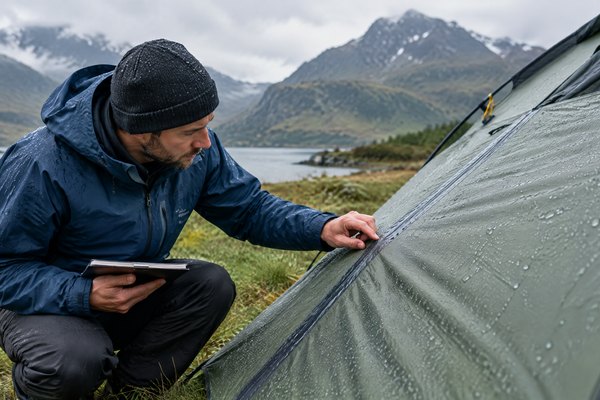
A useful sourcing decision starts with a written requirement that can be challenged, sampled, inspected, and approved.
Direct Answer
If you need durable, guest-friendly accommodation with a small footprint and high aesthetic appeal, commercial bell tents for hospitality are a strong option — provided you specify commercial-grade materials, a repairable structural system, and a documented production and inspection plan before you place a bulk order. This guide explains what to evaluate at the specification, sample, factory and operational stages so purchasing, product and ops teams can reduce risk when buying for glamping, holiday parks or rental fleets.
1. Who Benefits: Typical Use Cases and Buyer Needs
Commercial bell tents suit a range of hospitality operators, but the purchase considerations differ by use case.
Glamping Tent For Campsite Operator
A glamping tent for campsite operator is usually installed seasonally, needs quick turn-up/turn-down and must withstand repeated cleaning cycles and guest wear. Operators will prioritize fast setup, modular flooring or sewn-in groundsheet options, and local serviceability.
Glamping Tents For Holiday Parks
Holiday parks require visually consistent units across a site, higher longevity and more finished interiors. For this market, buyers often ask for upgraded interior linings, zippable mesh windows, integrated electrical cable conduits and fire-retardant treatments that meet the destination’s hospitality rules — confirm the applicable requirement for your market.
Glamping Tents For Rental Business
A glamping tents for rental business buyer needs fast replacement parts, easy cleaning protocols and robust packaging for frequent transport. Consider reinforced stress points, easily replaceable poles and a clear spare-parts bill of materials.
Short Events and Pop-up Hospitality
Bell tents also work for short-term events and branded activations where aesthetics are important and longevity is secondary — budget specifications differ accordingly.
2. Core Commercial Glamping Tent Specifications
Start by writing clear, measurable commercial glamping tent specifications. Avoid vague language; list materials, dimensions, performance targets and testing expectations.
Materials & Coatings
Specify wall fabric (e.g., canvas weight and weave), coating type (PU, silicone, or acrylic), waterproof rating in mm (hydrostatic head if needed), and breathability if condensation control is important. State UV-resistance requirements for the destination climate.
Structural System and Load Capacity
List pole material and diameter, connector types, guyline anchoring systems and expected design wind and snow loads. For hospitality use, specify the number of re-tension cycles the structure should tolerate without permanent deformation.
Weatherproofing, Seams and Zippers
Include seam construction (double-stitched, taped), zipper make and rated cycles, and expected water penetration threshold. For sanitation, specify whether inner liners or groundsheets are removable and machine-washable.
Fire Performance and Safety Features
Specify the required fire-retardant standard that applies in your market and the expected method of treatment (factory-applied vs aftermarket). Use caution: confirm the applicable legal requirement for the destination country rather than assume a single global standard.
Sample Specification Checklist (for your RFQ)
- Tent model name/ID and gross dimensions (diameter, wall height, peak height)
- Fabric composition, weight (gsm) and coating
- Pole specification (material, diameter, finish)
- Floor type and thickness
- Window/door types and insect mesh specs
- Anchoring system and accessory list
- Packaging dimensions and net/gross weight
- Target unit FOB/CIF price, MOQ, lead time
3. Customization: When You Need A Custom Camping Shelter
If a standard bell tent doesn't meet your site needs, ask for a custom camping shelter proposal. CampLume operates as an OEM/ODM and can evaluate bespoke options, but customization changes lead times, MOQ and tooling cost.
Branding, Interiors and Layouts
Specify branding needs (printing locations, embroidery), interior fit-outs (bed platforms, partitions), and integrated electrics. For holiday park roll-outs, provide a site plan so interior layouts can be standardized across units.
Custom Inflatable Camping Tent Options
If quick setup or hard-to-level sites are a priority, request a custom inflatable camping tent variant. Inflatable structures change repair procedures, packing volumes and compliance points — specify expected inflation time, pump type, and redundancy in air baffles.
Accessories and Add-Ons
Detail add-ons such as sewn-in groundsheets, veranda extensions, stove jacks, sewn-in cable conduits, or integrated flooring. Clarify which items must be supplied with each tent and which are optional extras.
4. Sample Review, Factory Testing and Inspection
A rigorous sample and inspection process reduces downstream surprises.
Sample Review Checklist
- Dimensional verification vs spec
- Visual inspection of seams, stitching density and zipper function
- Pole fit, connectors, and assembly sequence timing
- Water test and condensation observations in an agreed protocol
- Functional test of accessories (floor fit, vents)
Require written deviations and corrective-action timelines for any non-conformances.
Factory Testing or Inspection Points
Ask the factory for routine production tests: seam-strength checks, water penetration tests, and pre-shipment inspection photos of the first production batch. For safety features such as fire-retardant treatment, request documentation showing the treatment method and batch traceability. If your market requires a third-party test report, state that in the RFQ so the factory can quote accordingly.
Acceptance Criteria and Sign-Off
Define pass/fail criteria before sample approval. Use a sign-off form that ties approved sample photos to SKU numbers, material batches, and production start dates. This becomes the baseline for change control.
Mid-Article CTA: Send Your Requirements
If you are evaluating commercial bell tents for hospitality, email info@camplume.com with your product category, selling market, estimated quantity, current specification and packaging brief. Ask for a documented reply that separates assumptions and deviations from the quotation.
5. Packaging, Shipping Preparation and Logistics
Packaging affects damage rates and per-unit freight cost. Be explicit in packing specifications.
Fold Method & Packing Density
Specify how tents should be folded (so zippers aren’t stressed), type of inner polybag, and the density target for each carton to control cubic volume.
Palletization And Sea Freight Preparation
Define carton counts per pallet, pallet dimensions, and blocking/bracing requirements. Indicate whether you require fumigation-free wood packaging and whether cartons need export markings or multilingual labels.
Import Documentation And Labelling
Request a packing list and commercial invoice template in advance. For retail or rental use, include user manuals and care labels in the chosen language(s) inside each package.
6. Operational Application: What Matters Once Units Are In Use
A procurement decision should consider turnover, maintenance and total cost of ownership.
Turnover Operations & Cleaning Protocols
Specify how tents will be cleaned (hose-down, machine wash, spot clean) and select materials that survive the chosen method. Ask the supplier to provide labelling for cleaning instructions and a recommended consumables list (soap types, re-treatment products).
Repairability And Spare Parts
Request a spare-parts list and expected lead times. For a glamping tents for rental business, standardize on a replaceable pole system and keep a repair kit per X units on site.
Safety, Guest Instructions And Liability Controls
Include guest-facing labels and a short care-and-safety card in each unit. Ensure your contract with the supplier includes documentation for traceability for any safety-related claims.
7. Buyer-Decision Table: Bell Tent vs Alternatives
| Decision Factor | Bell Tent (Commercial) | Dome/Geodesic | Yurt/Frame Tent |
|---|---|---|---|
| Setup speed | Moderate (requiring poles/pegs) | Fast (fewer parts) | Slow (more complex frame) |
| Aesthetic / guest appeal | High | Medium | High |
| Pack volume | Low–Medium | Medium | Higher |
| Repairability | High (separate parts) | Medium | High |
| Cost per unit (typical) | Mid | Low–Mid | Higher |
| Best for | Boutique glamping, holiday parks, rental business | Events, rough sites | Long-term installations, luxury sites |
Use this table to map operational priorities to tent type rather than selecting solely on unit price.
Mid-Article CTA
If you are evaluating a project, email a one-paragraph brief to info@camplume.com. Include: target unit quantity, destination market, preferred commercial glamping tent specifications (fabric, floor, pole type), target launch date, and any required certifications or local standards. CampLume will reply with a short checklist and estimated lead time for initial samples.
8. Change Control, Documentation and Production Handover
A clear change-control system protects both buyer and factory when specifications evolve.
Revision Control Process
Require a revision-controlled spec document (PDF with revision number and date). Any change request from the buyer or factory should trigger a documented change request, cost impact estimate and new sample if the change affects fit or performance.
Sample Approvals and Production Sign-Off
Use a stepwise approval: prototype, pre-production sample, and first-article inspection. Each approval should be recorded and tied back to material lot numbers and production start dates.
Post-Delivery Support and Spare-Part Commitments
Agree on spare-part availability windows and minimum stock levels. For rental businesses, include a parts-supply SLA in the contract to avoid extended downtime.
FAQ
Q: What standard specs should I ask for in an RFQ? A: Include fabric composition and weight, pole material, floor construction, seam treatment, packaging instructions, and any regulatory or fire-retardant requirements that apply in your sales market.
Q: Do bell tents require special site foundations? A: Usually no; typical anchor methods are pegs, screw anchors or ballast. If your site is hard ground or paved, include a ground-anchor specification or request a ballast kit. Confirm local ground conditions during site planning.
Q: How are samples handled and what do they cost? A: Expect prototype or pre-production sample charges and a lead time that depends on whether you request custom prints, special coatings or new tooling. Ask the supplier to confirm sample cost and split it against first-order payment terms if you want.
Q: What documentation should accompany each shipment? A: Minimum: packing list, commercial invoice, user manual, materials declaration for customs, and any requested test reports or certifications. Clarify documentation needs in the RFQ to avoid delays.
Q: Can you get an inflatable bell tent instead of pole-based? A: Yes — request a custom inflatable camping tent option if fast setup or uneven ground is a priority. Evaluate repair processes and spares for bladders or pumps before committing.
Q: How do I manage product changes after the first order? A: Use a written change-control process with samples and sign-off. Small visual changes may be acceptable; structural or material changes should trigger a new pre-production sample.
Conclusion and Next Steps
Commercial bell tents for hospitality deliver a strong balance of aesthetics, repairability and operational suitability for campsite operators, holiday parks and rental businesses — but success depends on specifying commercial-grade materials, documenting acceptance criteria, and agreeing clear sample and inspection processes before production begins. If you already have a project brief, email info@camplume.com with quantity, target markets, rough specs and timing. CampLume will provide a tailored checklist for sample review, an estimated lead time and a production-readiness roadmap to help you move from evaluation to pilot order.
Final CTA: Email info@camplume.com with your product category, target market, estimated quantity, current specification and packaging stage. Request a documented response that identifies assumptions, open evidence and the next approval gate.
Related CampLume resources
-
Read: Inflatable Tents vs Pole Tents: Which Format Fits Your Camping Product Range? for a connected sourcing decision.
-
Explore CampLume tents options to compare a relevant product platform.
-
See the CampLume buyer FAQ for concise guidance on samples, MOQ, quality control, compliance and shipment preparation.
-
Discuss an OEM or ODM brief with CampLume when product configuration, custom branding or packaging needs to be scoped.
Project discussion
Need to apply this guide to a product programme?
Send your product category, target market, estimated quantity, current specification and packaging stage. CampLume will continue the discussion by email.
Email info@camplume.comSources and further reading