A useful sourcing decision starts with a written requirement that can be challenged, sampled, inspected, and approved.
Direct answer (what to decide first)
Choose the folding camping chair packed size to match the transport, retail shelf, and user portability expectations of the target market. For private‑label buyers, packed size drives carton configuration, ocean freight and last‑mile handling costs; specify packed dimensions, packed weight, and packing orientation early in the product brief so the factory can design tube diameters, frame folding geometry, and the carry bag accordingly.
Why Packed Size Matters for B2B Buyers
Packed size is not a marketing metric — it changes purchasing cost and customer experience at every stage. A compact packed size reduces per‑unit freight and makes higher‑density retail displays possible. But minimizing packed size can increase production complexity, add assembly steps, or reduce load capacity. Define the acceptable range for packed size relative to: sea freight (CBM per carton), air freight volumetric charge, retail shelf depth, and end‑user carry requirements.
Practical implications:
- Freight: Small reductions in packed volume compound across containers and SKUs. Specify packed size in the PO and packaging spec.
- QC and inspection: Inspect packed size on first production cartons and again at final inspection; measure multiple cartons for consistency.
- Returns and warranty: Larger chairs returned in oversized shipping can cause higher reverse logistics costs.
Key Specification Fields To Include In Your Product Brief
Include these fields in every specification sheet so the factory can engineer to the target packed size and meet downstream needs.
Essential dimensional and weight specs
- Packed dimensions (L × W × H in cm/mm). State orientation — e.g., rolled flat vs tube.
- Packed weight (kg). Include garment or bag if applicable.
- Assembled dimensions and seat geometry (for retail photography and cut lengths).
Performance and user specs
- Weight capacity and target user profile — e.g., 100 kg, 150 kg, 200+ kg.
- Target product weight (for portability vs strength tradeoffs).
Packaging and labeling
- Inner carton count and master carton dimensions.
- Packaging type: zippered carry bag, compression strap, or retail-ready box.
- Barcodes, country of origin text, and any retail-specific hang tags.
Materials, Fabrics and the Polyester vs Canvas Choice
Material selection directly affects folded bulk, durability, and perceived value. Use this section to align material choices with packed size and use case.
Polyester vs canvas camping chair — tradeoffs
- Polyester: lighter, packs smaller, dries faster and resists mildew better. Denier and coating matter; 600D polyester will be thicker and pack bulkier than 210D but still usually lighter than canvas.
- Canvas: higher perceived durability and stiffness, often heavier and bulkier when folded. Canvas cushions abrasion and UV better in some formulations but increases packed size and shipping weight.
When your target packed size is tight, prioritize polyester blends with robust seam reinforcement and PFC‑free coatings to keep weight and bulk down while meeting outdoor performance expectations.
Frame and hardware considerations
- Tube diameter and telescoping/folding geometry determine how compact a chair packs. Smaller-diameter tubes reduce packed volume but may reduce load capacity.
- Fasteners and pivot points should be specified with salt spray and cycle life expectations in the factory test plan.
Matching Product Type To Market Needs
Not every market wants the same balance of packed size, comfort and capacity. Define the use case early.
Low profile beach and camping chair
Designed to sit low, these chairs often fold flat and have a smaller packed profile. Packed size is critical for surf shops and beach retailers where customers expect portability. Typical tradeoffs: lower seat height, lighter frame, reduced weight capacity.
Oversized camping chair
For glampers and backyard use, oversized camping chair designs prioritize width and comfort over packed size. Expect larger carry bags, higher folded volume, and higher shipping costs. Call out packed carton size explicitly for these SKUs to avoid surprises at freight quoting.
Overlanding camp table and utility pairs
When buyers source sets, consider the folding camping table weight capacity alongside chair packed size. An overlanding camp table will often have larger folded dimensions and higher weight capacity; plan carton grouping and palletizing to avoid inefficient void space.
High load vs lightweight camping chair — choosing the right balance
Specify whether the business case prioritizes a high load vs lightweight camping chair. For adult outdoor equipment targeted at heavier users, increase tube diameter, use reinforced joints and specify higher-rated fasteners; accept a larger packed size and heavier per-unit freight. For mass-market day-use chairs, aim for minimized packed size and lower per-unit shipping cost.
Factory Processes, Sample Review and Testing
Outline the pre‑production and inspection steps in your purchase workflow and embed packed size acceptance criteria.
Sample review stages
- Design sample: review geometry, folding method, and carry bag dimensions. Measure packed size on the sample and confirm with the spec.
- Pre‑production sample (PPS): verify materials, seam construction, and batch consistency.
- First article inspection (FAI): include packed size as a pass/fail dimension and photograph packaging orientation.
Factory testing and inspection
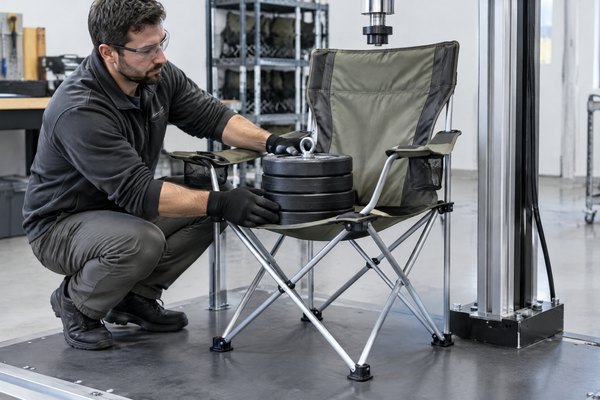
Ask the factory to perform and document practical tests: pivot cycle testing, load testing to your specified capacity, and seam‑pull tests. For packed size verification, request multiple cartons measured after packing to demonstrate consistency and tolerance (e.g., ±5 mm).
Documentation and change control
Have the factory maintain a controlled specification document and change request process. Any change that affects folded geometry — tube supplier change, fabric thickness change, or bag redesign — should trigger a documented impact assessment showing new packed size, weight, and updated freight estimates.
Packaging, Shipping Preparation and Warehouse Handling
Packed size ties to cartonization strategy, pallet layout, and label requirements.
- Cartonization: Define inner carton count and master carton layout to maximize containerization. Provide the factory with pallet patterns if you have a preferred pallet configuration.
- Protective packaging: For oversized camping chair SKUs or heavy frames, require corner protection and appropriate dunnage to prevent deformation during stacking.
- Labeling and documentation: Include packaging spec sheets with carton dimensions and weight tolerances. These go to the packing team and are used at loading verification.
Buyer workflow note: require the factory to supply a packing list template and photos of each loaded pallet with visible carton markings for your receiving team.
Buyer Decision Table: Quick Selection Guide
| Use Case | Packed Size Priority | Typical Material | Load Expectation | Buyer Notes |
|---|---|---|---|---|
| Backpacking / ultralight retail | High — smallest packed size | Lightweight polyester (210–420D) | Up to 100 kg | Prioritize tube folding geometry and low‑bulk fabric |
| Beach / day use (low profile) | High | Polyester canvas blends | 100–150 kg | Low profile beach and camping chair designs; short seat height |
| Overlanding / vehicle-based | Medium | Heavy‑duty polyester / canvas | 150–250+ kg | Pair with overlanding camp table; accept larger packed size |
| Premium comfort (oversized) | Low | Canvas or heavy denier polyester | 200+ kg | oversized camping chair — specify carton and palletization early |
| Budget bulk SKUs | Medium | 600D polyester | 100–120 kg | Optimize packed size vs cost for pallet density |
Sample Brief For Sourcing (Mid‑Article CTA)
If you want a practical quote and feasibility check from CampLume’s OEM/ODM team, email sourcing@camplume.com with this brief:
- Product type and target retail price
- Target folding camping chair packed size (L×W×H mm) and max packed weight
- Required weight capacity and target product weight
- Preferred material (note: polyester vs canvas camping chair preference)
- Target annual volume and first shipment date
- Any paired items (e.g., overlanding camp table) and cartonization preference
CampLume will reply with an initial feasibility note, recommended tradeoffs for packed size vs strength, and next steps for samples and lead times.
Pre‑Production and Change Control Workflow
A simplified workflow you should require in your contract:
- Design brief and confirmed spec sheet (includes packed size acceptance).
- Design sample approval — buyer measures packed size and returns signed approval.
- PPS (pre‑production sample) — run first small batch and validate QC checklists.
- Production start with inline inspections and a final inspection including packed size verification on random cartons.
- Documented change control for any deviation that affects folded geometry, material thickness, or packaging.
Factory responsibilities should include maintaining traceability for frame batches and fabric lots that might affect folded bulk.
Retail and After‑Sales Considerations
- Manual and labeling: Provide a small spec sheet in each carton with packed dimensions and suggested handling instructions for retail staff.
- Warranty and replacement parts: For high load chairs where frames carry warranty risk, define spare part availability and pivot component interchangeability.
- Returns: Larger packed size increases reverse logistics cost; require return merchandise authorization (RMA) instructions and a return packing spec for oversized camping chair items.
FAQ
Q: How small should the folding camping chair packed size be for a beach retailer?
A: Aim for a packed diameter or depth that fits standard beach rack dimensions; specify your target shelf depth in the product brief. For many beach retailers, a packed length under 60 cm and narrow diameter (or flat folded depth under 12 cm) is preferred — but confirm with the specific retailer.
Q: When should I choose polyester vs canvas camping chair for a new SKU?
A: Choose polyester when packed size and weight are priorities or for moisture‑prone markets; choose canvas for a premium, durable look where packed size and shipping weight are acceptable.
Q: How do I ensure the factory meets my folding camping table weight capacity and chair load specs?
A: Include the required load capacity in the spec and require the factory to run load tests with documented results. Request photos and videos of test procedures and include acceptance criteria in the purchase contract.
Q: What inspection points confirm packed size is acceptable at FCI?
A: Measure multiple cartons at random: L×W×H, packed weight, and packaging orientation. Compare against the tolerance in the packing spec (e.g., ±5 mm, ±0.1 kg). Also inspect the carry bag or compression straps that influence packed size.
Q: Can I reduce packed size without increasing production cost significantly?
A: Often you can by optimizing folding geometry and using thinner fabric or different tube profiles, but these changes can affect durability and require revalidation. Ask the factory for a tradeoff analysis and a PPS run to confirm.
Q: How should I handle paired items like an overlanding camp table in the same shipment?
A: Define cartonization up front and consider modular packing where tables and chairs pack to the same pallet pattern. Also confirm the folding camping table weight capacity and table packed dimensions to avoid inefficient void space.
Conclusion and Next Steps
Packed size is a commercial decision as much as an engineering one. For private‑label buyers and importers, specify packed dimensions, packed weight, load capacity, and preferred material (polyester vs canvas camping chair) in the initial product brief. Require documented sample approvals, factory testing for load and cycle life, and a controlled change‑request process that captures any impact on folded geometry.
To get a tailored feasibility review and sample plan from CampLume (OEM/ODM camping gear manufacturer), send the sourcing brief above to sourcing@camplume.com. Include your target packed size and annual volumes so we can prepare a realistic cost and sample timeline.
Final CTA: Email info@camplume.com with your product category, target market, estimated quantity, current specification and packaging stage. Request a documented response that identifies assumptions, open evidence and the next approval gate.
Related CampLume resources
-
Read: What Should Buyers Check Before Ordering Wholesale Camping Chairs? for a connected sourcing decision.
-
Explore CampLume furniture options to compare a relevant product platform.
-
See the CampLume buyer FAQ for concise guidance on samples, MOQ, quality control, compliance and shipment preparation.
-
Discuss an OEM or ODM brief with CampLume when product configuration, custom branding or packaging needs to be scoped.
Project discussion
Need to apply this guide to a product programme?
Send your product category, target market, estimated quantity, current specification and packaging stage. CampLume will continue the discussion by email.
Email info@camplume.comSources and further reading