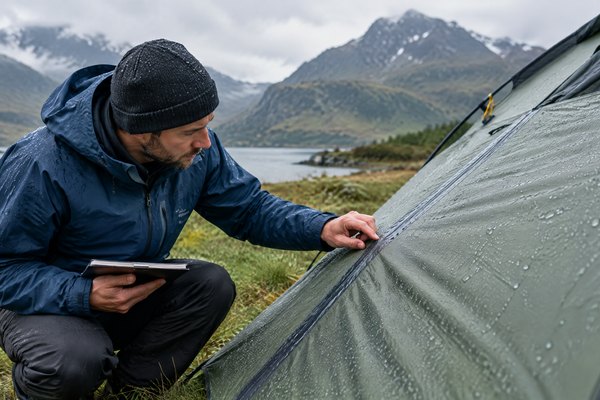
A useful sourcing decision starts with a written requirement that can be challenged, sampled, inspected, and approved.
Direct answer (what to do now) If you are sourcing glamping tents for resorts, work with an experienced OEM/ODM camping tent factory that can translate your resort-use specifications into durable prototypes, provide controlled factory testing, manage pre-shipment inspections, and document change control. Prioritize suppliers who demonstrate real experience in windproof and weatherproof shelters, can deliver production-grade samples, and who accept structured product specification and sample-review workflows.
What Resort Buyers Usually Require From a Glamping Tents For Resorts Supplier
Resort projects prioritize guest comfort, uptime (minimal repairs), visual design, and safety. Typical requirements include:
- Clear product specification (materials, seams, coatings, fixtures, anchors, canopy finishes).
- Proven structural performance for local climate: measured wind ratings, rainwater management, and UV resistance.
- On-site installation guidance and maintenance documentation.
- Consistent packing and shipping that protect finished items through sea or air freight.
- Ability to produce and iterate samples rapidly and implement controlled changes with documented approvals.
Note: exact regulatory or import documentation depends on the destination market and the specific tent type. Confirm the applicable requirement for electrical fixtures, fire-retardancy, or local anchoring rules with a qualified advisor.
Key Product Types Resorts Order (and the supplier fit for each)
Understanding the product family helps you identify the right supplier capabilities.
Bell Tents and Canvas Yurts
Bell tents are popular for a rustic luxury look. If you want a sewn-in groundsheet as standard, ask suppliers who can be described as a sewn in groundsheet bell tent supplier. That capability implies integrated production lines and quality control of both canopy and floor seams.
Inflatable Pods and Air-Beam Structures
Inflatable systems speed installation and avoid heavy framing. Evaluate inflatable tent wind resistance specifically — air-beam stiffness, redundancy (multiple cells) and manual re-inflation procedures are all important.
Geodesic and Frame Domes
Best for larger communal areas and heavy weather; requires metalwork and precision-fabrication capability.
Screen Houses and Lounge Structures
For dining and communal spaces, look for a reliable camping screen house supplier who understands mesh selection, roll-up door systems, and bug-proof detailing.
Structural Performance: Wind, Rain, UV
Resort tents must withstand local weather. Your technical brief should demand measured, testable performance rather than marketing adjectives.
Inflatable Tent Wind Resistance
Ask for wind-loading data and failure modes for inflatable systems. Inflatable tent wind resistance depends on beam diameter, internal pressure, number of load paths, and anchor design. Require the supplier to provide test reports or controlled test procedures used in-house; when those reports are not available, plan for an independent third-party test or an on-site wind loading assessment.
Windproof and Weatherproof Strategies
For windproof camping shelter wholesale purchases focus on:
- Anchoring systems (ground anchors, screw anchors, ballast plans).
- Redundant seams and tie-down points.
- Frame geometry that sheds uplift (domes vs. flat panels).
If you are buying at scale, confirm how the supplier packages anchor kits and spare parts for quick field repair.
Rain Management and UV
Seam sealing, fly overlaps, and guttering options reduce interior ingress. For long-term colour and tensile retention, require UV-stabilized fabric treatment details in the spec from the weatherproof camping shelter supplier.
Manufacturing and Quality Workflow (how to work with an OEM/ODM camping tent factory)
A practical sourcing workflow will reduce surprises. Below are the key stages and what to expect from a professional supplier.
Product Specification
Create a written spec: fabric denier/gsm, PU or silicone coatings (and their applied thickness), thread type and denier, seam type (French seam, taped seam), zippers, poles or air-beam specs, anchors, and packaging. Include acceptance criteria for visual defects, tolerances on dimensions, and sample identification numbers.
Sample Review & Prototyping
Order a fully finished pre-production sample. For visual concepts you can accept a proto cut from similar materials, but for performance validation insist on a production-equivalent sample. The supplier should label samples and provide a checklist for targeted tests (wind, water spray, UV exposure if required).
Factory Testing & Inspection
Confirm in-factory testing capabilities and inspection steps. Typical tests include hydrostatic head for coatings, seam strength, tensile tests for fabric and webbing, and evaluating anchoring hardware. For inflatable systems, ask for leak-down rates and pressure hold figures.
Change Control and Approvals
Document every change after sample approval with a signed change-control form: material substitutions, thread changes, or packaging modifications. Insist that no mass production starts without written pre-production approval.
Packaging, Shipping Preparation, and Documentation
Resorts often have limited storage and precise delivery windows. Your supplier must plan packaging and shipping accordingly.
Packaging for Resort Deliveries
Standard options include poly-bagging for individual tents, reinforced cartons for poles and hardware, and palletization with corner protection for long shipments. For fragile finished items (lamps, windows), request separate inner packaging and a spare parts kit.
Shipping Preparations and Lead Times
Ask the camping tent factory for lead-time breakdowns: tool-up, bulk production run, QC windows, and export packing time. For sea shipments provide pallet dimensions and gross weights for your freight forwarder.
Documentation
Require clear packing lists, commercial invoices, and a Bill of Materials that matches what was approved at sample stage. If you need country-of-origin or material statements, include that request in the initial PO.
Mid-Article CTA: Send Your Requirements
If you are evaluating glamping tents for resorts supplier, email info@camplume.com with your product category, selling market, estimated quantity, current specification and packaging brief. Ask for a documented reply that separates assumptions and deviations from the quotation.
Commercials: MOQ, Pricing, and Supplier Types
Resort projects vary from single bespoke units to multi-unit wholesale programs. Choose your commercial model accordingly.
- For one-off designs or low-volume luxury builds, an OEM/ODM camping tent factory that offers prototyping and small-run production is best.
- For large deployments (10s–100s of units), negotiate windproof camping shelter wholesale pricing, clearly outlining spares, warranty terms, and a service-level agreement for replacement parts.
If the supplier proposes alternate materials or production methods to lower cost, require costed change proposals and the same sample-and-test cycle before acceptance.
Buyer Decision Table (concise comparison)
| Tent Type | Typical Use | Wind Resistance | Setup Complexity | Supplier Match |
|---|---|---|---|---|
| Bell Tent (canvas) | Luxury glamping room | Medium (anchors needed); ask a sewn in groundsheet bell tent supplier for integrated floors | Medium (poles + guy lines) | Specialist canvas OEM/ODM |
| Inflatable Pod | Fast install, modern look | High if engineered; check inflatable tent wind resistance data | Low (inflation) | Air-beam camping tent factory |
| Geodesic Dome | Large communal space | Very high (rigid frame) | High (frame assembly) | Frame + textile OEM |
| Screen House | Dining/bugs-free lounge | Low–Medium (mesh walls) | Low–Medium | camping screen house supplier |
Mid-article practical CTA If you are ready to compare prototypes, send a concise project brief to productbrief@camplume.com including: product type, required capacity (people sqm), target market/country, expected first-order quantity, desired tests (wind rating, hydrostatic head), and a timeline. CampLume operates as an OEM/ODM camping gear manufacturer and will respond with a sample plan, estimated lead times, and a quoted pre-production checklist.
Sample Review, Factory Inspection and Acceptance Criteria
Don’t skip the sample-approval gate. Your acceptance criteria should cover:
- Dimensional tolerances (lengths, pole fitment).
- Visual finish (print/alignment, colour-matching).
- Functional tests: zipper cycles, door opening clearance, and anchoring pull tests.
- Performance tests: water spray for seams, leak-down for inflatables, and a basic wind-load field test where feasible.
Arrange a pre-shipment inspection or hire an independent inspector to verify a representative sample from the production lot. Document any non-conformances and apply the change-control process.
Product Application and On-Site Support
Resorts value suppliers who provide installation manuals, training, and spare-part kits. Ask for:
- Packaged installation guides with step-by-step photos.
- Recommended maintenance plans and seasonal storage guidance.
- Spare parts lists and lead times for replacement fabrics, zippers, valve kits, and poles.
If the product will integrate electrical elements, request wiring diagrams and confirm which party supplies electrical compliance documentation for your market.
FAQs
Q: How do I verify a glamping tents for resorts supplier’s weather claims? A: Request test method details—not just claims. Ask for the specific test standard used (or a clear description of the in-house test), test conditions (pressure, spray duration), and representative sample photos. When necessary, require an independent third-party test or a witnessed factory test before production sign-off.
Q: What should I ask about inflatable tent wind resistance? A: Ask for the air-beam specifications (diameter, material, rated working pressure), leak-down rate over a specified period, and any redundancy features. Require a description of anchoring strategy and documented field tests where the supplier has used the design.
Q: Can I get a sewn in groundsheet bell tent supplier to customize floor materials for resort use? A: Yes—most OEM/ODM camping tent factories can specify heavier-duty floor fabrics or add anti-condensation layers. Ensure the sample you approve uses production-grade sewing and seam treatment so the performance matches the production lot.
Q: What documentation is typical from a weatherproof camping shelter supplier? A: Expect a Bill of Materials, care and installation guide, packing list, and test data where available. If you require certificates for treated textiles (e.g., flame retardancy) or lab reports, put that in the initial brief so the supplier can quote accordingly.
Q: For windproof camping shelter wholesale orders, what lead times and MOQs are normal? A: Lead times depend on complexity: 6–12 weeks is common for established designs; customized items extend lead times. MOQs vary—discuss with the factory early. For wholesale you should also plan spare-part sets and a small buffer stock for repairs.
Q: How do I select a reliable camping screen house supplier for resort dining areas? A: Evaluate mesh durability (tear strength), door design, and insect-proof detailing. Ask for a demo unit or a finished sample for hands-on inspection and a clear spare-part strategy for zippers and mesh.
Final Conclusion and Next Steps
Choosing the right glamping tents for resorts supplier means combining clear technical specs, robust sample review, controlled factory testing, and documented change control. Prioritize suppliers who can demonstrate a complete OEM/ODM workflow: from product specification and prototyping through factory testing, packaging and shipping preparation, and clear documentation for installation and maintenance.
Ready to move from concept to prototype? Email productbrief@camplume.com with your short brief (product type, target country, expected quantity, required tests). CampLume will propose a sample plan, estimated costs, and the next steps for inspection, packaging, and shipping preparation. Practical, testable specifications and early sample approvals reduce risk and speed your resort project to on-time delivery.
FAQ
What should I send a tent supplier for an accurate quotation?
Provide the intended use, product type, target markets, estimated quantity, material and feature preferences, branding scope, packaging brief, and any existing drawings or samples. Ask the supplier to list assumptions and deviations separately.
Can a test report from a similar tent be used for a new model?
Only where the scope, materials, construction and intended claim are demonstrably applicable. Treat a previous report as background information and confirm the evidence needed for the approved configuration.
When should I approve custom tent packaging?
Approve the product configuration, labeling content and retail artwork before the production release. Request pack-out photographs or a physical packaging sample when the packaging is a critical retail or shipping control.
What should be checked before a tent shipment is released?
Confirm the approved product version, workmanship and accessories, consumer pack, carton markings, packing list, inspection outcome and shipment-document requirements against one current release checklist.
Final CTA: Email info@camplume.com with your product category, target market, estimated quantity, current specification and packaging stage. Request a documented response that identifies assumptions, open evidence and the next approval gate.
Related CampLume resources
-
Read: Inflatable Tents vs Pole Tents: Which Format Fits Your Camping Product Range? for a connected sourcing decision.
-
Explore CampLume tents options to compare a relevant product platform.
-
See the CampLume buyer FAQ for concise guidance on samples, MOQ, quality control, compliance and shipment preparation.
-
Discuss an OEM or ODM brief with CampLume when product configuration, custom branding or packaging needs to be scoped.
Project discussion
Need to apply this guide to a product programme?
Send your product category, target market, estimated quantity, current specification and packaging stage. CampLume will continue the discussion by email.
Email info@camplume.comSources and further reading