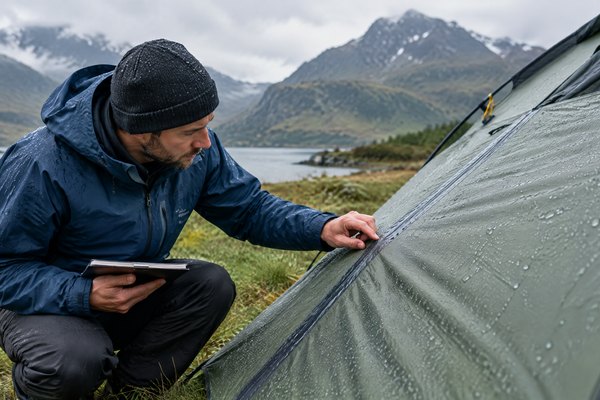
A useful sourcing decision starts with a written requirement that can be challenged, sampled, inspected, and approved.
Direct answer (in one paragraph)
If you intend to source private label bell tents for a retail or rental brand, plan three parallel workstreams before signing a purchase order: (1) finalise the product specification (fabric, hydrostatic rating, floor, poles, vents, accessories), (2) qualify a manufacturer for test reports, sample quality and production controls, and (3) scope packaging, shipping and import documentation. This guide explains what to specify, how to validate suppliers (including beach shelter wholesale supplier scenarios and bell tent 4m wholesale vs bell tent 6m wholesale options), and what to expect from sample review, factory testing and change control.
Which Projects Suit Private Label Bell Tents
Private label bell tents work well for glamping operators, festival retailers, beach rental businesses and speciality outdoor retailers that want a branded product without designing from scratch. If your line will include other items such as private label camping tents or private label outdoor tents, plan for shared BOM items (pegs, guy ropes, storage bags) to reduce unit cost and simplify logistics.
When to choose bell tents versus dome or tunnel tents:
- Choose bell tents when the buyer needs a single central pole, a large usable canopy and a premium canvas aesthetic for glamping, event or beach rental applications.
- For lightweight or high-volume compact retail channels, private label camping tents with synthetic fabrics may be more appropriate.
Purchase Preparation: Product Specification Essentials
Clear, measurable product specs are the buyer's single best risk-management tool. A well-structured spec reduces rework and costly change orders.
H3: Core material and performance specs
- Primary fabric: state fibre type (e.g., 100% cotton canvas, polycotton, or polyester), weight (gsm), weave and finish (pre-washed, water-repellent). For synthetic options, list PU coating weight or impregnation level.
- Hydrostatic rating: specify the required tent hydrostatic head test result in mm or cm and whether the rating applies to the outer canopy, the rainfly and the floor. For canvas, indicate required water-repellency treatment and re-treatment instructions.
- Seams: specify seam type (taped vs stitched with seam-sealing) and minimum seam strength if relevant.
H3: Structural and user-experience specs
- Pole system: material (aluminium alloy grade, steel), diameter, connector types and break-load targets.
- Flooring: drop length from wall-to-floor, material and abrasion rating.
- Ventilation: number and placement of vents, insect-mesh specs and interior vents for condensation control.
H3: Accessories, labelling and packaging
- Accessories: packed pegs (specify material and length), guy ropes (length, type, reflective features), repair kits and storage bag type.
- Labelling: required external branding, hangtags, care label language requirements and barcode/UPC placement.
- Packaging: folded size limit for retail cartons, polybag type, and any retail-ready display requirements.
Sample Review: What to Inspect and How
A structured sample review avoids acceptance confusion.
- Pre-production sample (PPS): should match BOM and spec exactly, and include production labels and packaging mock-up.
- Random inspection criteria: measure fabric gsm, count seams per inch where specified, check hydrostatic head test report for the lot if available.
- Fit and user-test: set up the tent in a realistic environment (wind, wet weather if safe) and run a checklist: assembly time, condensation behaviour, interior usable area, zipper and vent function.
Document all findings using a marked-up sample spec sheet. Record photo evidence and timestamped video of assembly to resolve later disputes.
Supplier Qualification: What To Verify
When evaluating a beach shelter wholesale supplier or an OEM/ODM for bell tents, focus on the same categories you would for any technical soft-goods supplier: production capability, testing capability or access to testing, process controls, and communication discipline.
H3: Factory capabilities and production flow
- Confirm whether the factory owns cutting, sewing and finishing or subcontracts any operation. Ask for process flow diagrams that show where inspection points occur.
- Check tooling and skill for heavier fabrics (canvas needs different cutter blades and sewing machines than lightweight polyester).
H3: Testing and documentation
- Request recent test reports for relevant properties. For water resistance, ask for a tent hydrostatic head test report specifying method and sample age. If a factory cannot supply a test report, confirm they can arrange testing with a recognised test house and include the lead time and cost in the quote.
- For accessory hardware, ask for metal corrosion tests or polymer UV-stability data where relevant.
H3: Quality management and change control
- Ask how the factory handles engineering change requests (ECRs). A robust process will include written approvals, sample approval for each change, and a plan to segregate old-stock from new.
- Clarify inspection standards (AQL levels if using AQL) and hold-points for critical components.
Factory Testing, Inspections and the Tent Hydrostatic Head Test
Testing is a risk-management step — it does not replace good specifications or inspection.
- Hydrostatic head: specify the mm rating you need and whether the measurement is for an untreated or treated fabric. Confirm the test method (ISO or ASTM equivalent) and require a dated report with the sample ID.
- Additional tests: seam strength, tear strength, UV exposure for outdoor fabrics, floor abrasion testing and zippers' salt-spray or cycle tests for beach applications.
- Factory vs third-party testing: ask whether the factory conducts in-house pre-tests and whether they can coordinate third-party testing for final verification. Insist that third-party reports reference your sample ID and manufacturing batch when used for acceptance.
Sizing and Line Decisions: 4m vs 6m Bell Tent Options
Size choices affect use-case, shipping costs and retail positioning.
- Bell tent 4m wholesale: typically pitched as 2–4 person glamping tents, easier to ship and quicker to set up. Good for retailers targeting weekend campers and small glamping sites.
- Bell tent 6m wholesale: larger footprint, often promoted to higher-end glamping sites, events or family rentals. Requires more packaging volume and stronger pole-system spec.
When offering both private label camping tents and private label outdoor tents in a single catalogue, standardise accessories where practical (same pegs, repair kit and storage bag) to reduce SKUs.
Packaging, Shipping Preparation and Documentation
Packaging choices affect storage, in-store presentation and courier costs.
- Packing units: define inner packaging (polybag, dust bag, inner cardboard) and outer carton sizes. For bell tent 4m wholesale packs you can usually fit more units per pallet than for bell tent 6m wholesale.
- Labelling and customs documentation: specify the commercial invoice, packing list, country-of-origin marking and any regulatory statements required by destination markets. For textile products, confirm labelling language and fibre declarations as required by the importer’s market.
- Sea freight vs air: include packaged carton dimensions and weights in your specification to allow freight planning. Ask the supplier for both CBM and pallet configurations early in the sourcing process.
Sample Timeline and Production Inspections
A typical timeline you may use when working with an OEM/ODM:
- Specification finalised and PO issued.
- Pre-production sample (PPS) within agreed days — buyer approval required in writing.
- Pilot run / first production lot with in-line inspection and interim test reporting.
- Final random inspection and provision of production test results (hydrostatic head test copies, seam and hardware checks).
Inspections to plan: incoming-material checks (fabric roll verification), in-process sewing audits, and final random inspection (FAR) before shipment. Use AQL standards for cosmetic issues and list critical dimensions that must be measured on every inspected sample.
Decision Table: Choosing Between Common Bell Tent Options
| Use Case | Key Specification Focus | Typical Buyer Concern | Recommended Buyer Action |
|---|---|---|---|
| Beach rental / seaside events (look for a beach shelter wholesale supplier) | UV-stable fabrics, corrosion-resistant hardware, easy-clean floors | Salt corrosion, sand ingress, frequent turnover | Require UV and salt-spray reports; request service-friendly parts and extra spare pegs |
| Small retail glamping (bell tent 4m wholesale) | Compact packaging, low set-up time, branded storage bag | Carton volume and price per unit | Prioritise lighter pole systems and flat-packed carton specs; get PPS and retail mock-up |
| Family/event glamping (bell tent 6m wholesale) | Larger poles, heavy-duty flooring, higher hydrostatic rating | Weight, freight cost, setup complexity | Confirm pole break loads, request tent hydrostatic head test results and assembly video |
Mid-Article CTA: How To Send A Clear Brief
To get a formal quotation and accurate lead times, email a concise product brief to sourcing@camplume.com. Include at minimum: target size (e.g., 4m or 6m), fabric type and gsm, required hydrostatic rating, expected annual volume range, desired packaging dimensions, destination market and any required test reports.
The clearer the brief, the faster the factory can generate a comparable quote and a realistic sample timeline.
Pricing, MOQ and Negotiation Points
Price drivers include fabric type, finishing, hardware quality and packing density. Always separate unit cost from tooling and testing costs in quotations so you can compare apples-to-apples.
Negotiation levers:
- Consolidate SKUs: sharing straps, pegs and packaging across private label camping tents reduces price.
- Order staging: splitting initial orders into a smaller pilot production run and a larger follow-up order reduces risk but may slightly raise per-unit cost.
Change Control, Warranty and After-Sales
Agree in advance on what constitutes an acceptable defect and the remedy: replacement, repair or credit. Define the warranty period in the contract and the process for claiming under warranty, including inspection steps and required photo/video evidence.
A formal change-control clause should specify that any spec change requires written approval and that the factory will provide a new PPS for approval when structural items or materials change.
FAQ
Q: How do I specify water resistance for canvas bell tents?
A: Specify the tent hydrostatic head test value you require for the outer canopy and floor where relevant, plus any fabric treatment needed (e.g., silicone, PU coating). Request a dated test report on the actual production fabric batch where possible.
Q: Can I source both private label camping tents and private label outdoor tents from the same OEM?
A: Yes — many OEM/ODM factories serve both lines. Confirm they have the appropriate cutting and sewing equipment for each fabric family and that they maintain separate BOM control to avoid cross-contamination of raw materials.
Q: What should I request from a beach shelter wholesale supplier?
A: Ask for UV-stability data, corrosion-resistant hardware specs, easy-clean floor options and evidence that the supplier understands local rental workflows (fast turnover, spare parts availability).
Q: Are there special packaging considerations for bell tent 6m wholesale shipments?
A: Yes — larger tents increase carton volume and weight. Confirm carton size, pallet configuration and whether any components ship separately. Plan for higher sea-freight CBM and ensure the factory provides pallet-loading diagrams.
Q: What are critical items to check during sample review?
A: Confirm fabric gsm and coating, seam construction, pole fit and connector tolerances, zipper function, floor attachment and the validity of any test reports attached to the sample.
Conclusion and Final CTA
Sourcing private label bell tents requires clear specifications, realistic sample and testing expectations (including the tent hydrostatic head test), and a documented supplier qualification process. For a tailored quote and sample plan, email sourcing@camplume.com with your brief (size preference, fabric and hydro rating, estimated annual volume, destination market and packaging constraints). CampLume is an OEM/ODM camping gear manufacturer ready to review briefs and provide detailed sampling and production timelines.
Related CampLume resources
-
Read: Inflatable Tents vs Pole Tents: Which Format Fits Your Camping Product Range? for a connected sourcing decision.
-
Explore CampLume tents options to compare a relevant product platform.
-
See the CampLume buyer FAQ for concise guidance on samples, MOQ, quality control, compliance and shipment preparation.
-
Discuss an OEM or ODM brief with CampLume when product configuration, custom branding or packaging needs to be scoped.
Project discussion
Need to apply this guide to a product programme?
Send your product category, target market, estimated quantity, current specification and packaging stage. CampLume will continue the discussion by email.
Email info@camplume.comSources and further reading